


In today’s age of content marketing, you should build your content strategy with optimization in mind. But in many cases, companies have no strategy when it comes to creating, distributing and publishing content.
Content governance is especially important for businesses that rely on content marketing to generate sales. Without a concrete system for managing content, from creation to publication and distribution, it’s easy to get overwhelmed and lose focus.
You’re in the right place if you’re wondering how to establish standards and workflows for content creation, distribution and publishing. This article will show you how to implement a content governance plan to optimize your content marketing processes.
What is content governance?
Before going further, you need to understand what content governance is. So let’s explain it briefly.
Content governance is a set of processes that ensure the quality of your content and drive alignment across teams. It’s a framework that lets you define, implement, and manage a set of standards for creating, managing, and distributing content.
Content governance helps you and your content team:
Create a consistent brand experience across all marketing channels Ensure regulatory compliance by controlling what is published on each channel Reduce the risk of publishing information that could damage your reputation or legal status Create reusable content assets that you can reuse through multiple channels
The primary goal of content governance is to improve the quality of content management processes by reducing the time it takes for approvals and the number of times you have to rewrite content, as well as creating consistency in how your brand speaks to the customers.
Creation of an effective content governance plan
Creating an effective content governance plan is a difficult process. If you’re new to content governance, it’s helpful to step back and consider how your organization currently manages its content.
Is your content creation process well organized? Are you using tools like Buffer to schedule your content or Desygner to design it? Is your brand voice consistent across your content and marketing channels?
If you answered no to these questions, chances are your organization could benefit from implementing a content governance plan. Here are some tips to get you started.
Define the roles and responsibilities of your content team
You need to define the roles and responsibilities of your team, such as who will be responsible for which parts of the content governance plan. You can have one person in charge of writing all the policies, another in charge of creating the rules and guidelines, and another in charge of implementing them.
You might also consider creating an organizational chart that clearly defines each role in your company and how they work together. For example, you can create a shared document that describes who will be involved in which parts of the process, such as approving copy or editing content before publication.
It will help limit confusion about who should do what part of the work and avoid mistakes due to overlapping responsibilities or lack of communication between team members.
Also Read: Unique Twitter Tweets to Support Image, GIF and Video Content
Determine your content guidelines
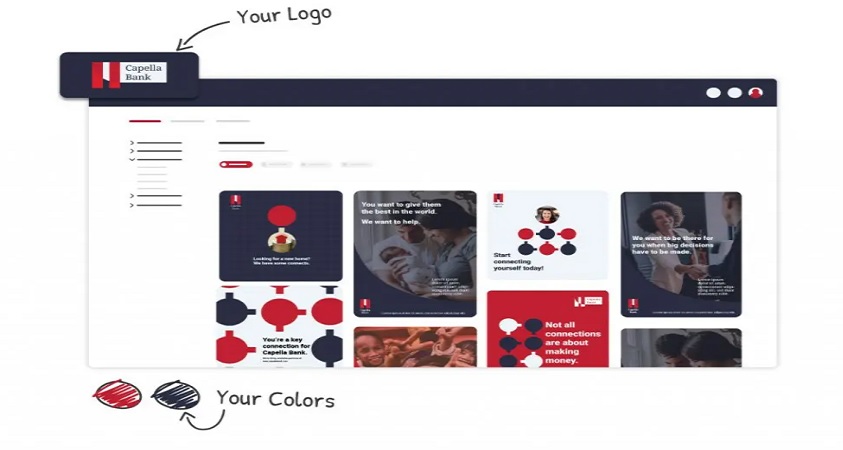
Even if there’s only one person on your content team, having specific content guidelines will ensure that every piece of content they create is aligned with your company’s values, goals, and brand. And let’s say there are multiple people on your content team or even many departments involved in the content creation process. In this case, content guidelines must maintain a consistent brand voice across all your marketing channels.
In addition to these guidelines, all members of your content team should be able to easily find and access all of your brand assets they need to use to create content. Tools such as DAM software (Digital Asset Management Software) or Desygner Corporate Marketing Center they allow you to keep your branding, marketing and content assets in one place.
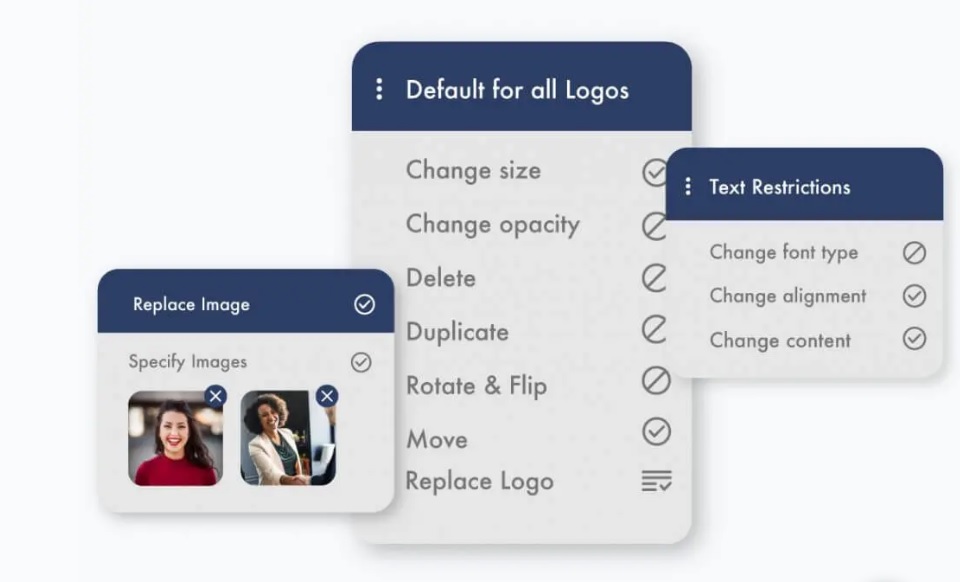
However, even if you have content guidelines and brand assets in place, you need to ensure that everyone involved in creating, managing or distributing content follows them. Tools like Desygner’s Brand Guidelines Enforcer can help you do this by letting you monitor how your team members change each brand asset or content and ensure that changes don’t align with the voice of the your brand
Create content workflows
Creating content workflows is possibly the most important step in developing a content governance plan. Having efficient content workflows allows you to establish a clear structure for creating, approving and reviewing content.
For example, you might want to create an approval process for blog articles or social media posts before publishing them. Or maybe you want to include a review step when you publish new landing pages to your site. Each element of the workflow should have a defined goal and, ideally, a person responsible for its success.
A sample workflow for blog content, with specific roles assigned, might look like this:
Plan (content strategist) Write (a content writer) Edit (editor or proofreader) Revise (content manager) Publish (content manager) Distribute (social media manager)
Content workflows can be built into content management systems or hosted in stand-alone tools.
For example, content or task management tools like Monday.com, ClickUp, or Asana are designed to help you track the stages of each piece of content until it’s published.
Editorial calendars like CoSchedule, Trello, or Buffer can help you keep track of what needs to be published and when. And Desygner’s Marketing Localization Engine can help you automate content localization so you can distribute your content beyond your local market.
Establish regular audits to measure results
Establishing an audit process is the first step in measuring the effectiveness of your content governance plan. Audits can range from simple brand consistency checks to more complex reviews of the effectiveness of your content strategy.
Regular audits that measure your content’s key performance indicators (KPIs) in each marketing channel are the best way to identify what’s working well and what’s not, so you can determine what changes need to be made.
For example, plugins like Yoast SEO provide analytics that show how your pages are performing based on search engine optimization (SEO) best practices. Other tools like Grammarly can offer automated proofreading services to ensure all written content meets company standards.
Put your content governance plan into action
A well-planned, goal-oriented content governance model will help you streamline your content creation, management, and distribution while minimizing gaps. It will also allow you to eliminate redundant processes, optimize workflows and avoid wasting time on unnecessary communications between internal teams or departments.
With the right content governance process and tools in place, your content team will always be on track to create the next best content for your brand. So, if you’re not already implementing a content governance plan, it’s time to get one in place!
Wrap
If implemented correctly, a content governance plan can positively impact your business. Not only will your brand create a consistent customer experience across all marketing channels, but you’ll be able to work more effectively as a team. Best of all, your posts will align consistently with your overall strategy.
Don’t forget that even the best writers need some editorial oversight. So instead of letting your next big guide languish in an overworked editor’s inbox, use these content management standards to keep them informed and your audience engaged.
Infostor.com(c).
[ad_2]
Source link





