


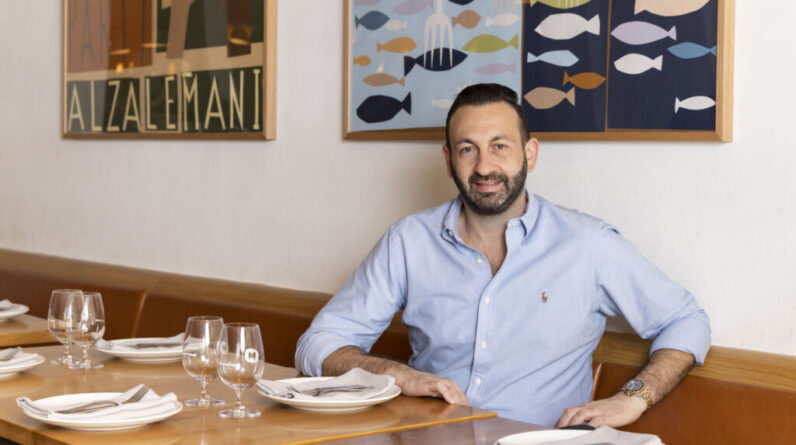
Article by Paul Hadida, Managing Director, APAC a Seven Rooms
In the fast-paced world we live in, it’s hard to ignore the buzz around ChatGPT. Its applications seem limitless as it allows users to streamline, through automation, previously tedious or time-consuming tasks. As a company working within the hospitality sector, where job access is expanding and consumer expectations are rising, this got us thinking: how can ChatGPT revolutionize work for restaurants, bars and cafes in the Asia Pacific?
While concerns about automation and its impact on jobs persist, one thing is certain: the human touch necessary for hospitality cannot be automated. Instead, AI allows operators to focus more on the guest experience by eliminating repetitive tasks and improving efficiency. Time is a precious commodity for restaurant professionals, and ChatGPT can save time and money.
Hospitality sites can use ChatGPT not only to streamline administrative work and reduce costs, but also to provide inspiration and ideas to help improve their business and brand within minutes. Here’s how.
Paul Hadida, Managing Director, APAC at SevenRooms
ChatGPT: Providing efficiency and cost savings
According to ChatGPT itself, it is “a computer program that can talk to you like a human. He can understand what you’re saying and respond in a way that makes sense. It can also do things like translate languages, create content, and find information. It’s like having a smart and helpful friend you can talk to anytime!
ChatGPT is not the first AI chat tool on the market. Two years ago, Jasper AI made waves in the business world with its language model designed for copywriters and content marketers. It’s certainly the first to really transcend outside of the tech community. This is how restaurants use it.
Food and drink inspiration
Axelrad Bar in Houston, Texas launched a new cocktail menu generated entirely by ChatGPT. The site decided to pit the skills of its waiters against the AI in a competition. Bartenders created their signature cocktails alongside AI-generated mixed drinks, and customers voted for their favorites.
menus
Looking for menu inspiration for Chinese New Year, Deepavali or Christmas? Sites can use ChatGPT to suggest menu options as well as the specific recipe for any recommended dish.
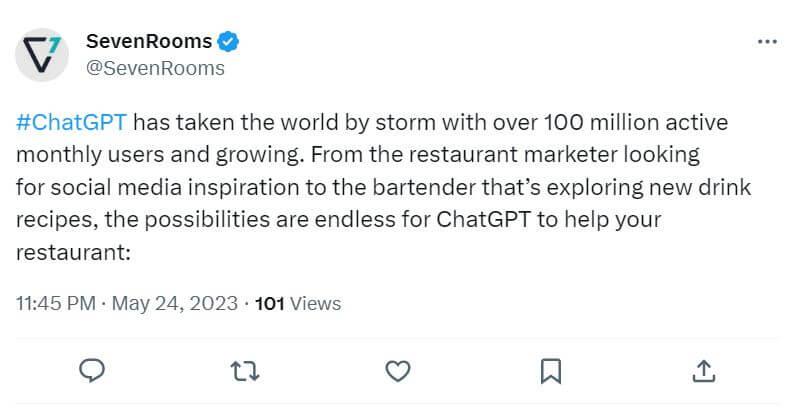
A tweet from SevenRooms about ChatGPT use cases.
Website copy and landing pages
Even seasoned marketers need occasional inspiration, and ChatGPT can be a game changer for restaurants without a dedicated marketing staff. Building or maintaining a website requires time and resources that many operators do not have. Fortunately, ChatGPT is powered by vast amounts of data from the Internet, so it probably knows a few things about a business if it exists online. Restaurants can ask ChatGPT to create custom website landing page copy, headlines, URLs, and even optimize pages for search engine optimization (SEO).
Copy the translation and location
In Singapore, known as a global hotspot for international tourists and expats, venues strive to cater to customers from various nations. This requires the need for language translation, which unfortunately can be both complex and expensive. But with the help of ChatGPT, the process of translating menus, email marketing and other texts into multiple languages becomes fast and hassle-free. In addition, ChatGPT can help regionalize messaging, identifying localized nuances to build customer trust.
Email generation and testing
Whether it’s marketing campaigns, customer responses, or company-wide announcements, ChatGPT can help copy draft or provide inspiration. It can also be used as a tool to A/B test different versions, iterating on email performance. By putting your existing content into ChatGPT, you can generate new headlines, subject lines, or CTAs for testing.
Social media strategies and tactics
ChatGPT is a treasure trove of social media post ideas and inspiration. It can help businesses strategize by creating a social media marketing plan for the restaurant and suggesting new tactics and tools. Additionally, ChatGPT can help plan your monthly social content calendar, providing dates, post ideas, and caption inspiration.
Management of social networks
ChatGPT offers several use cases to support restaurants with social media marketing and management, such as generating new post and message ideas, drafting responses to follower comments and messages, researching hashtags, identifying social media influencers with whom collaborate and transform a blog article or press release. in quick social posts.
Guest experience and relations
Restaurants get a lot of emails and comments. ChatGPT can help create responses to customer reviews, whether they’re negative or positive. Sites can simply add the review to the message box and ask ChatGPT to generate a response. And for restaurants looking to take ChatGPT to the next level, it can be integrated into the website via a chat or messaging widget. Think of it as your automated virtual assistant, capable of answering frequently asked questions, suggesting menu items, and even processing online orders.
Employee experience
By implementing ChatGPT as a virtual assistant, venues can free staff from fielding calls or performing manual tasks throughout the day, allowing them to focus on greeting diners, seating tables and facilitating meaningful experiences and exceptional ChatGPT can help you write job descriptions, onboarding documents, and even inspiring interview questions. It can also help schedule work hours for full-time and part-time employees.
What generative AI tools mean for the future of hospitality
Generative AI tools like ChatGPT are more than a means to improve operational efficiency and overcome labor shortages in the hospitality industry. They hold the key to building loyalty and driving long-term growth strategies. By leveraging technology to automate processes, sites can effortlessly collect data from approved guests, learn about individual customer preferences and behaviors, and deliver personalized and automated marketing campaigns. This automation frees up valuable time for sites to focus on meaningful face-to-face interactions that are appreciated, recommended and rewarded by APAC consumers.
The buzz surrounding ChatGPT and similar AI tools may persist for a while, but when the hype dies down, companies that have embraced these technologies will emerge as winners. Through software like ChatGPT and broader automation initiatives, the hospitality industry can work smarter, more strategically, and with streamlined efficiency. This transformation is particularly significant for an industry often perceived as “traditional” and resistant to technological advances.
Personalization is at the heart of the restaurant experience, and AI has the potential to greatly reduce the effort required to deliver bespoke hospitality while maintaining exceptional standards and human connections. Embracing the possibilities offered by AI allows restaurants to save valuable time and resources while elevating their business and brand. However, it’s important to remember that even with AI, the human touch is still indispensable in the hospitality industry. The fusion of technology and human interaction is the key to delivering exceptional guest experiences and driving success in this ever-evolving landscape.
The views in this article are those of the author and may not represent the views of Tech Wire Asia
[ad_2]
Source link





