


In late 2022, OpenAI introduced ChatGPT to the world.
Since its launch, ChatGPT has shown no significant signs of slowing down in developing new features or maintaining the interest of users worldwide.
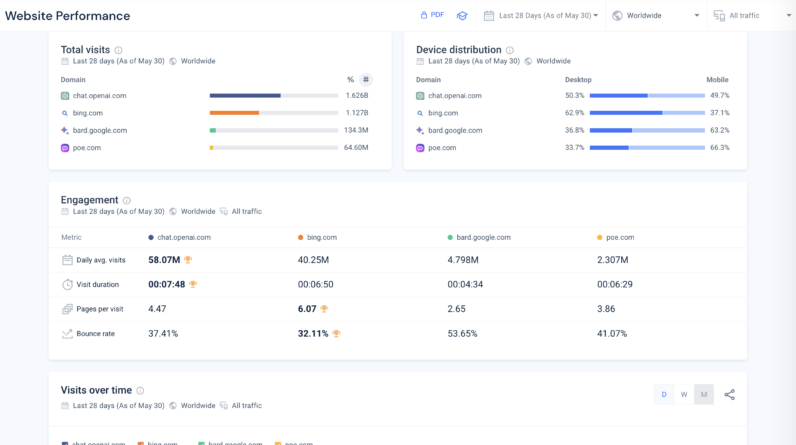
Similarweb Pro screenshot, June 2023
Continue reading the history of ChatGPT with a timeline of developments, from the first OpenAI papers on generative models to the acquisition of 100 million users and 200 plugins.
History of ChatGPT: A timeline of developments
16 June 2016 – OpenAI published research on generative models, trained by collecting a large amount of data in a specific domain, such as images, sentences or sounds, and then teaching the model to generate similar data. (OpenAI)
September 19, 2019: OpenAI published research on tuning the GPT-2 language model to human preferences and feedback. (OpenAI)
January 27, 2022: OpenAI published research on InstructGPT models, siblings of ChatGPT, showing improved instruction following ability, reduced fact fabrication, and decreased toxic output. (OpenAI)
November 30, 2022: OpenAI introduced ChatGPT using GPT-3.5 as part of a free research preview.
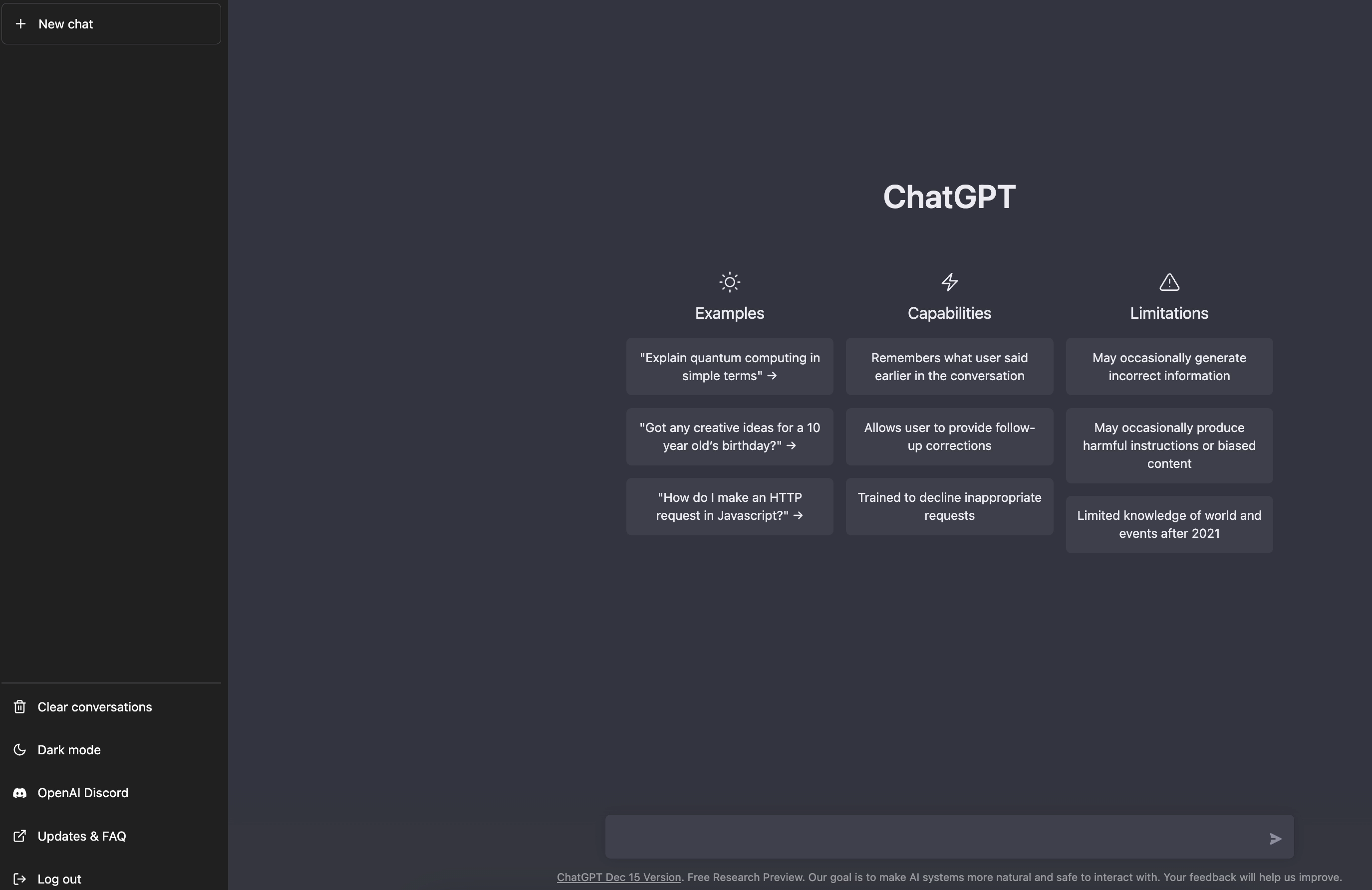 Screenshot from ChatGPT, December 2022
February 1, 2023: OpenAI announced ChatGPT Plus, a premium subscription option for ChatGPT users that offers less downtime and access to new features.
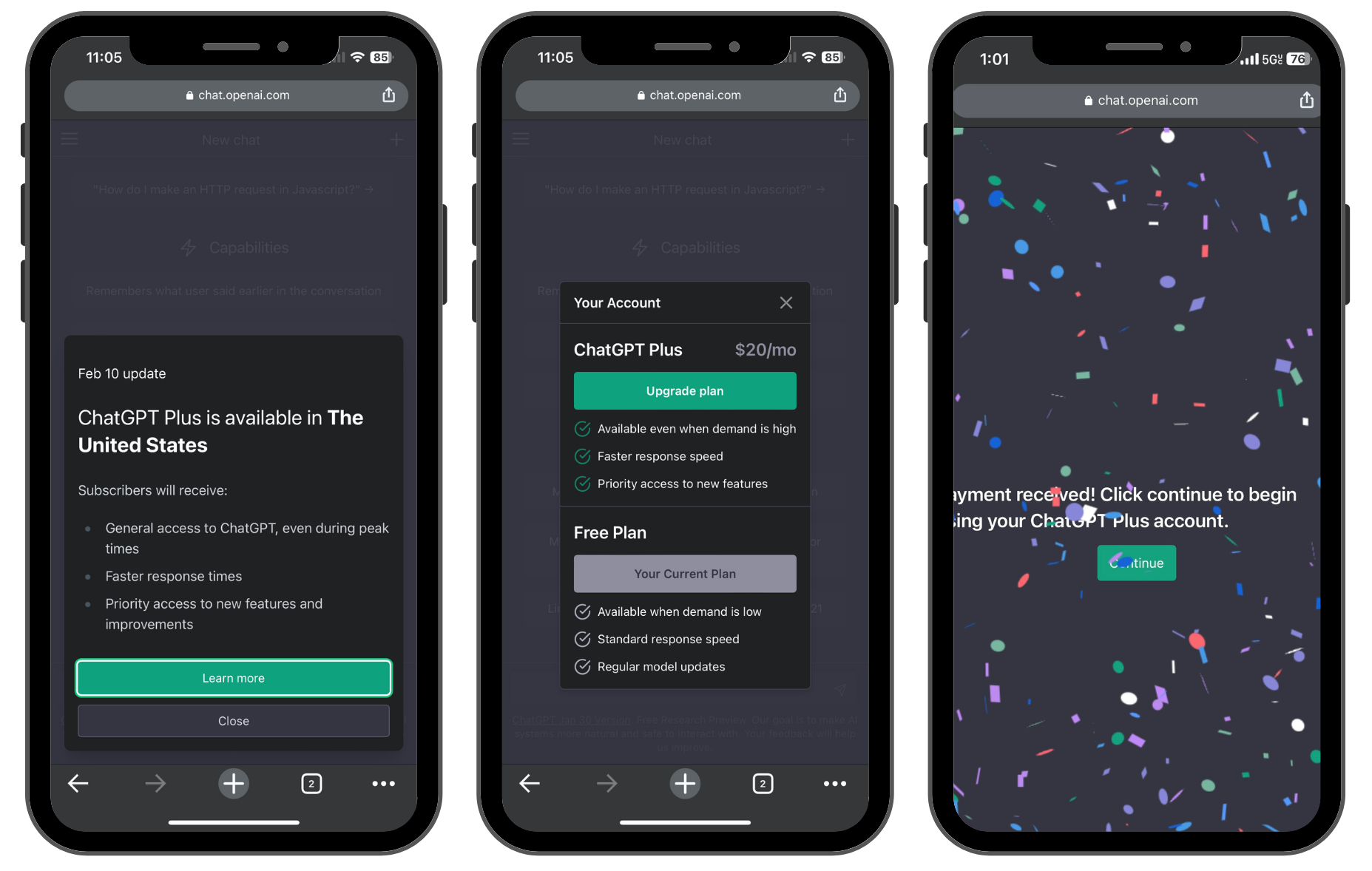 Screenshot from ChatGPT, February 2023
ChatGPT reached 100 million users faster than TikTok, which did the milestone in nine months, and Instagram, which did it in two and a half years. (Reuters)
February 7, 2023: Microsoft announced that ChatGPT-based features would be coming to Bing.
February 22, 2023: Microsoft released Bing chat with AI for mobile preview.
March 1, 2023: OpenAI introduced the ChatGPT API for developers to integrate ChatGPT functionality into their applications. Early adopters included SnapChat’s My AI, Quizlet Q-Chat, Instacart, and Shop by Shopify.
March 14, 2023: OpenAI releases GPT-4 on ChatGPT and Bing, which promises better reliability, creativity, and problem-solving abilities.
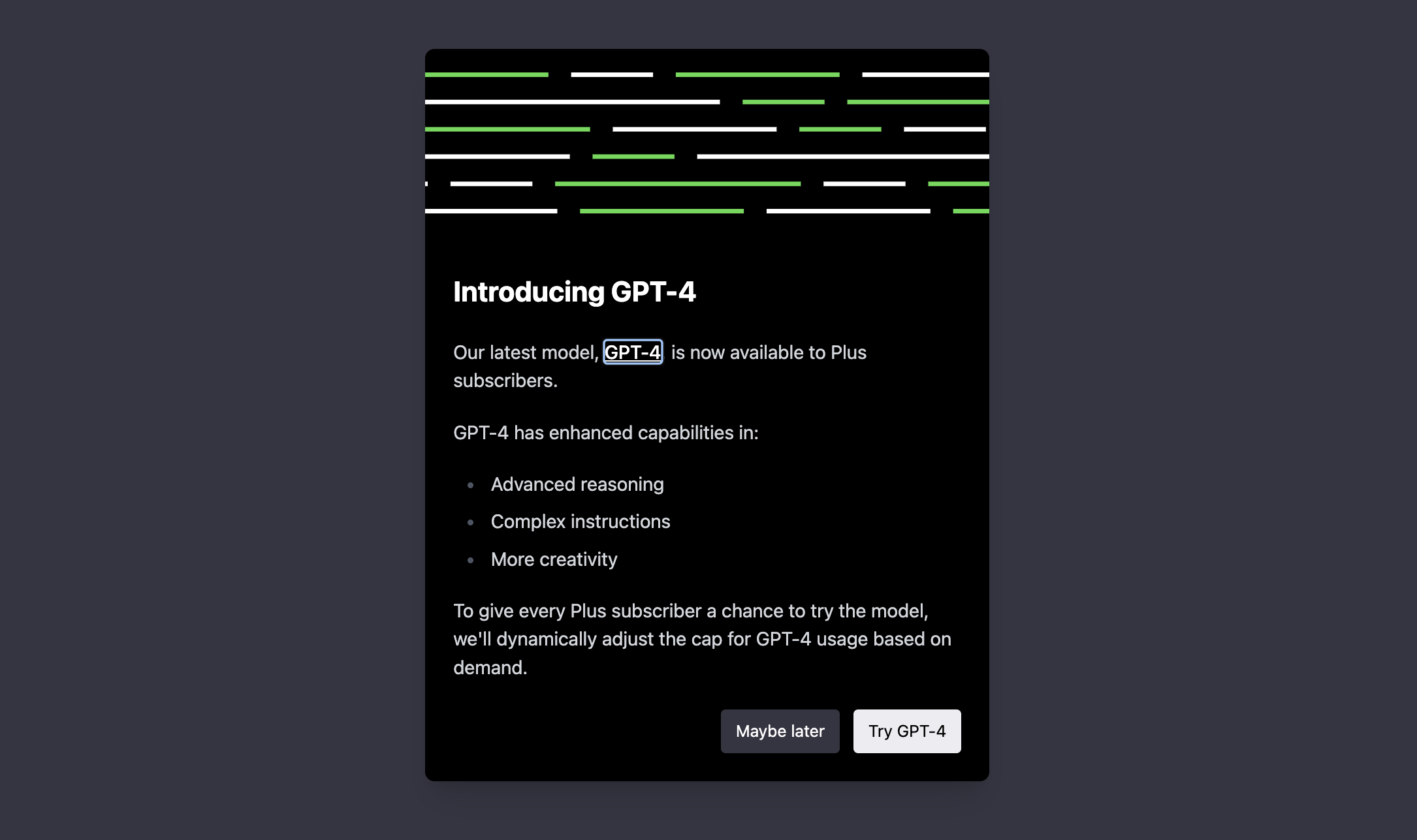 Screenshot from ChatGPT, March 2023
March 14, 2023: Anthropic released Claude, its ChatGPT alternative.
March 20, 2023: A major ChatGPT outage affects all users for several hours.
March 21, 2023: Google released Bard, its alternative to ChatGPT.
March 23, 2023: OpenAI started implementing support for the ChatGPT plugin, including navigation and code interpreter.
March 31, 2023: Italy banned ChatGPT for collecting personal data and not verifying age during registration for a system that may produce harmful content.
April 23, 2023: OpenAI released ChatGPT, GPT-3.5 with navigation and GPT-4 with navigation plugins in ALPHA.
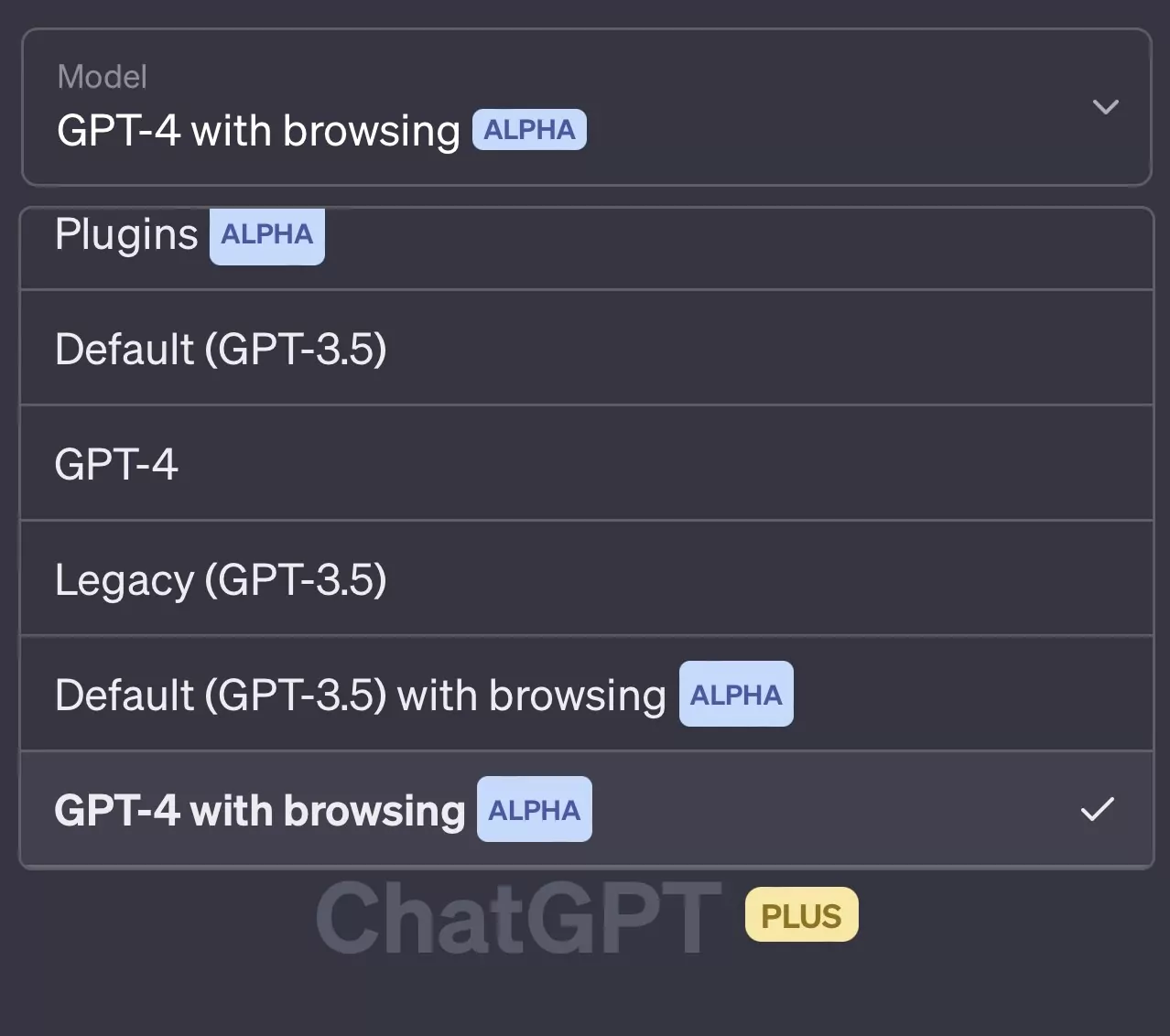 Screenshot from ChatGPT, April 2023
April 25, 2023: OpenAI added new ChatGPT data controls that allow users to choose which conversations OpenAI includes in the training data for future GPT models.
April 28, 2023 – The Italian Garante issued a statement that OpenAI complied with its demands and that the ChatGPT service could be resumed in Italy.
May 15, 2023: OpenAI released the ChatGPT app for iOS, which allows users to access GPT-3.5 for free. ChatGPT Plus users can switch between GPT-3.5 and GPT-4.
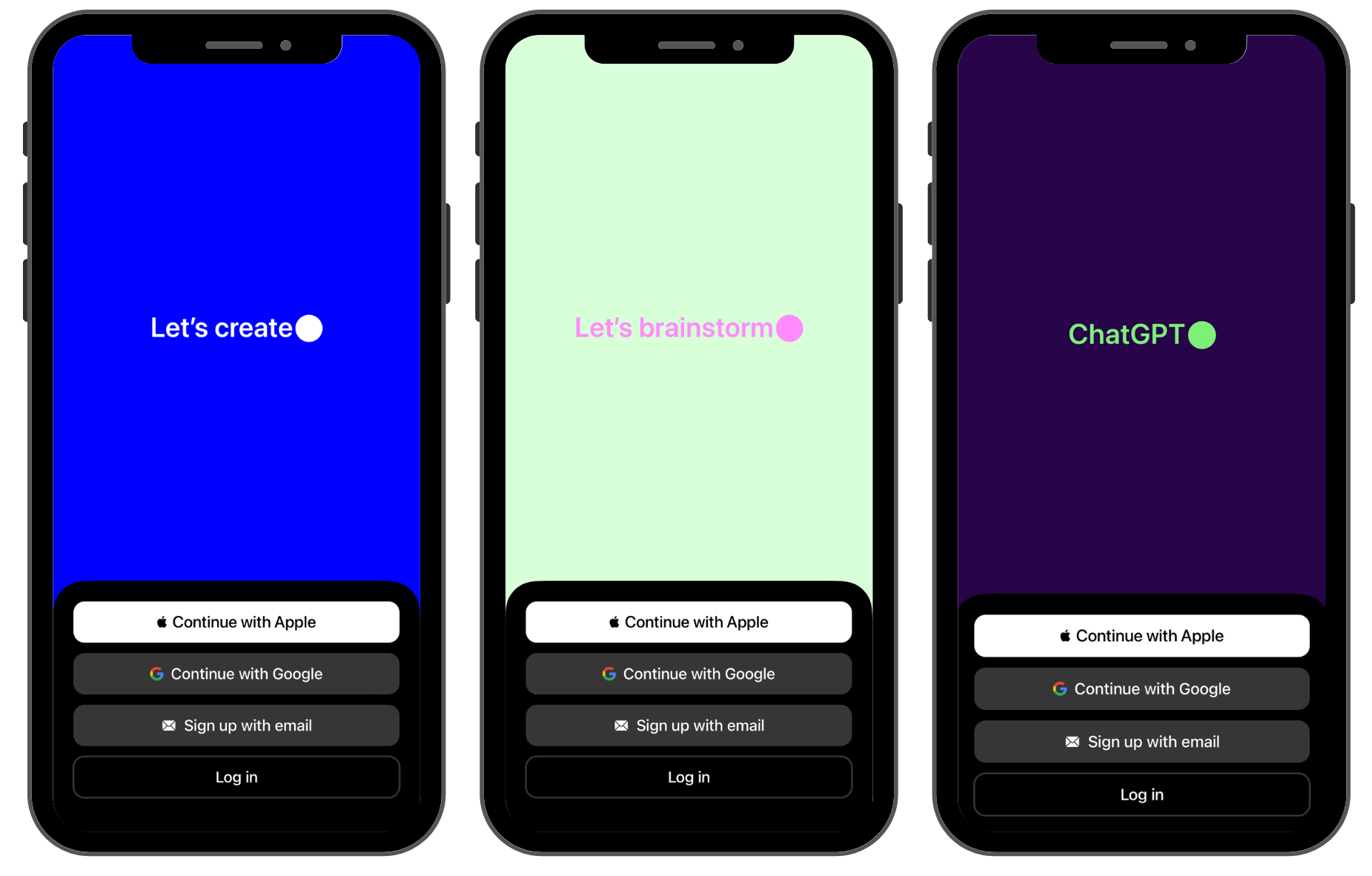 Screenshot from ChatGPT, May 2023
May 16, 2023: OpenAI CEO Sam Altman appears at a Senate subcommittee hearing on AI oversight, where he discusses the need for AI regulation that doesn’t stifle innovation.
May 23, 2023: Microsoft announced that Bing would power ChatGPT web browsing.
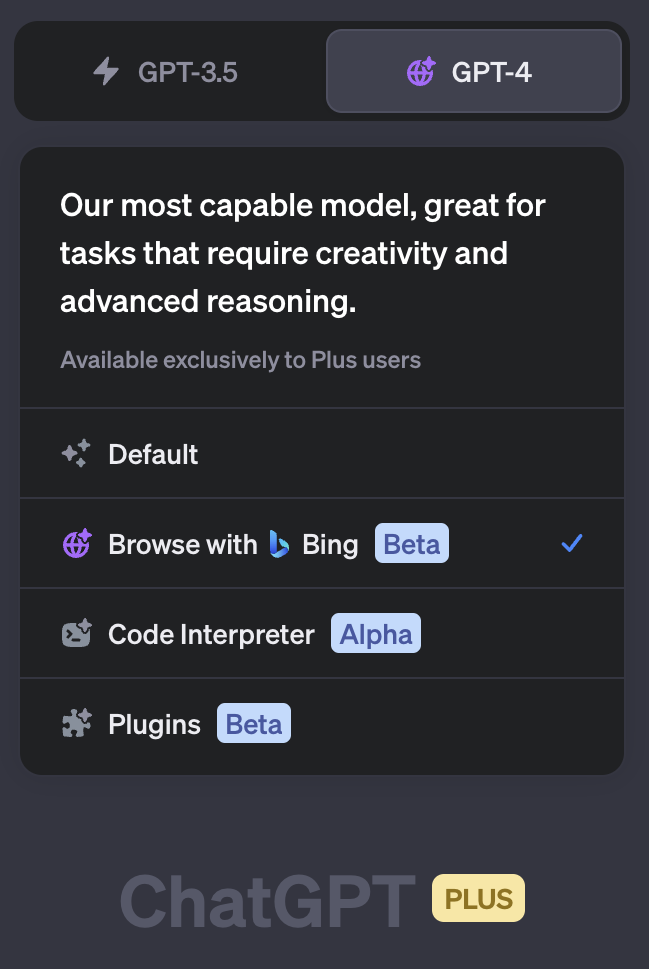 Screenshot from ChatGPT, May 2023
May 24, 2023 – Pew Research Center released data from a ChatGPT usage survey showing that only 59% of US adults know about ChatGPT, while only 14% have tried it.
May 25, 2023: OpenAI, Inc. launched a program to award ten $100,000 grants to researchers to develop a democratic system for determining AI rules. (OpenAI)
May 31, 2023: ChatGPT Plus users can now access over 200 ChatGPT plugins.
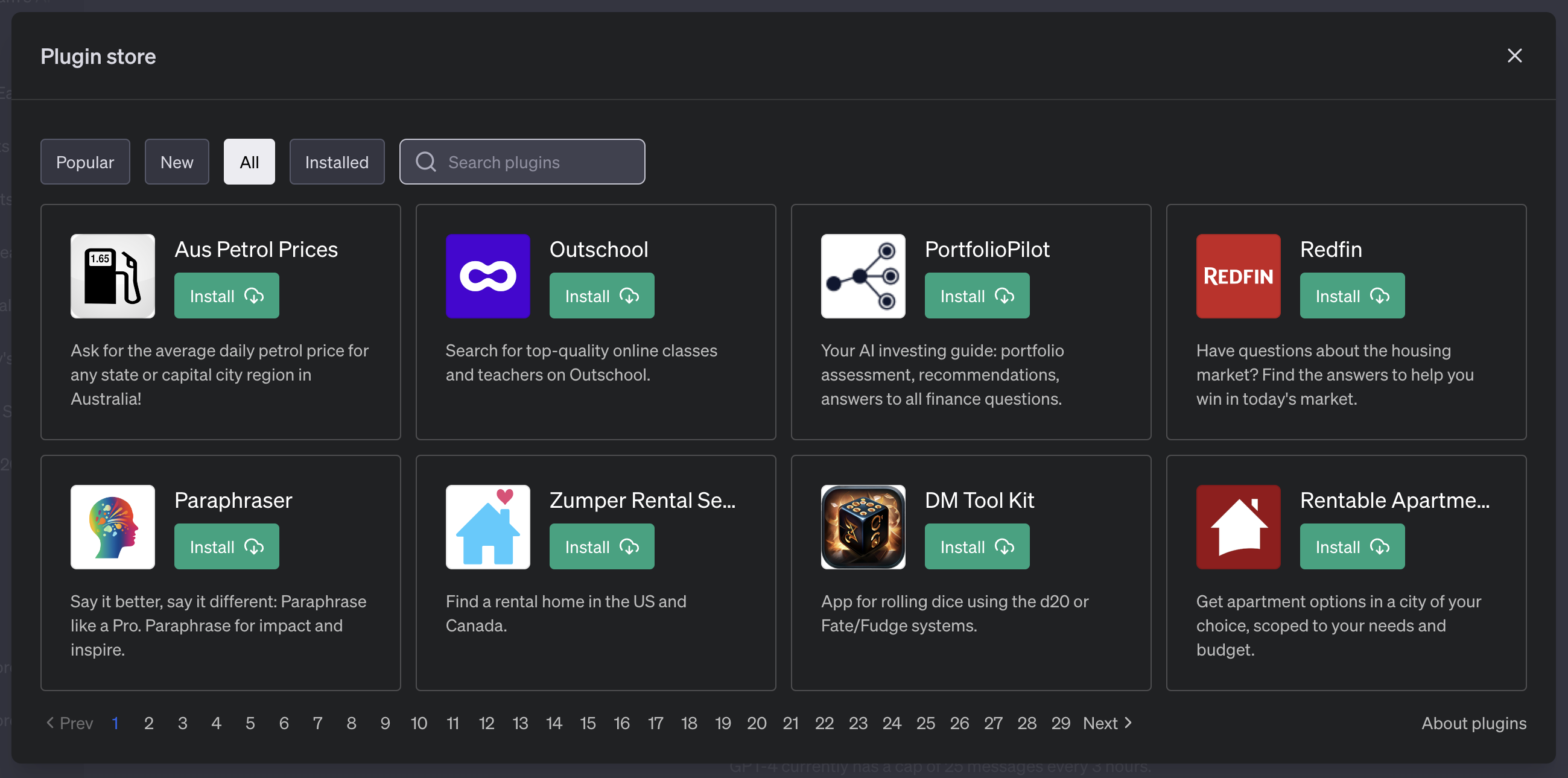 Screenshot from ChatGPT, May 2023
June 1, 2023: ChatGPT traffic surpasses generative AI chatbots in May. (Similarweb Pro)
The Future of ChatGPT and Alternative Generative AI Chatbots
What does the future hold for ChatGPT? This depends on many factors, including the following.
Will the government decide to regulate AI? If so, who will manage it, how will they create legislation to match the rapid developments in AI, and will regulation affect the innovation of future GPT models? Will OpenAI win lawsuits against generative AI tools, or will the outcome of these cases hold back the development of future training models? Will competitors create alternatives to ChatGPT, or will government regulation, fear of litigation, and rising API costs stifle innovation?
Featured image: Tada Images/Shutterstock
[ad_2]
Source link





