


Responsive search ads (RSA) are the bread and butter of Google Ads search campaigns. Launched in 2018 and originally a beta ad format, RSAs became the default ad format for search campaigns on June 30, 2022, when Google removed Expanded Text Ads (ETA).
The magic behind RSAs is that by providing multiple titles and descriptions, Google Ads will try different combinations and determine which ones work best. These combinations are also tailored to better match the individual searcher’s search term, providing flexibility to ad content and improving relevance.
Most PPC advertisers have stopped using ETAs and RSAs have become standard practice. However, there have been updates to the RSAs to be aware of. Here’s a rundown of everything you should know about RSAs in 2024.
3 headlines and 2 descriptions – a thing of the past
The concept of your RSAs showing three titles and two descriptions has gone out the window, and Google Ads recently changed how RSAs can appear in search results.
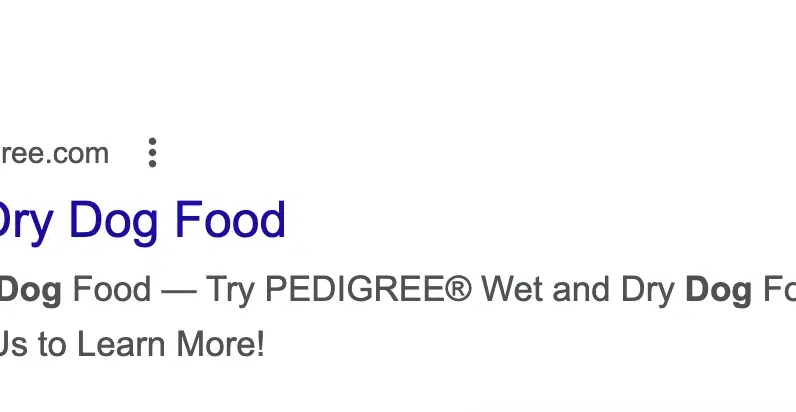
Single-headline ads appear more often in search results, and sometimes the system chooses to add a headline and the beginning of the description line.
Which assets appear and where they are based on whether or not the system predicts that performance will be improved by moving away from the “original” format of three titles and two descriptions.
Above: An example of a search ad with just a title and a title that appears at the beginning of the description line.
This takes more control away from the advertiser, as how RSAs appear can never be guaranteed. The responsive nature of this ad format means you also don’t control which combinations are displayed.
So make sure your ads are consistent in any order and with any number of headlines and descriptions. For example, a sentence should not be covered in two descriptions, which would mean that both should appear and in the correct order for it to make sense.
Dig Deeper: Create Winning Paid Search Ads: 4 Best Practices
Ad Strength: The Great Debate
Ad Strength is a diagnostic tool for advertisers to see how their RSA scores in terms of relevance, asset diversity, and quality. It can be found by adding the Ad Strength column to the ads page or in a blue box at the top of the box when you create or edit an RSA.
 Above: When you create or edit an RSA, an ad strength score will be displayed at the top of the box.
Ad strength provides a rating (incomplete, poor, average, good, or excellent); the higher the score, the more likely the system thinks the ad will be effective.
Google also offers recommendations and ideas for optimizing your ads to improve your ranking, such as including popular keywords and adding additional headlines.
After a lot online discussion, in April 2024, Google’s Ginny Marvin confirmed that Ad Strength was not used by Ad Rank, meaning that an ad with a low score could still perform well. This was after concerns that it would impact the strength of the ad Ad classification and therefore reduce visibility.
Although ad strength isn’t used for ad ranking, improved relevancy and resource diversity makes it easier to create more combinations, which opens up the opportunity to show more ads relevant in more auctions.
Get the daily search newsletter marketers trust.
To pin or not to pin
There has been an ongoing debate about whether pinning headlines and descriptions helps or hurts RSA performance. Case studies offer mixed opinions, with some saying that pinning increases performance, while others report that visibility and CTR decrease when they try it.
However, the general consensus is that fixation can affect the system’s ability to create effective asset mixes. The system is being instructed to put certain assets in certain positions, reducing its flexibility and responsiveness. Remember to pin sparingly and strategically whenever possible.
Advertisers may choose to pin assets despite the limitations it imposes because they want their company name on every ad, must include a legal disclaimer, or have strong historical data that shows an asset is performing well for the account .
RSA resources at the campaign level
Another early 2024 update is the ability to apply up to three headlines and two descriptions at once. campaign level This means that these resources will be eligible to appear in any RSA in this campaign.
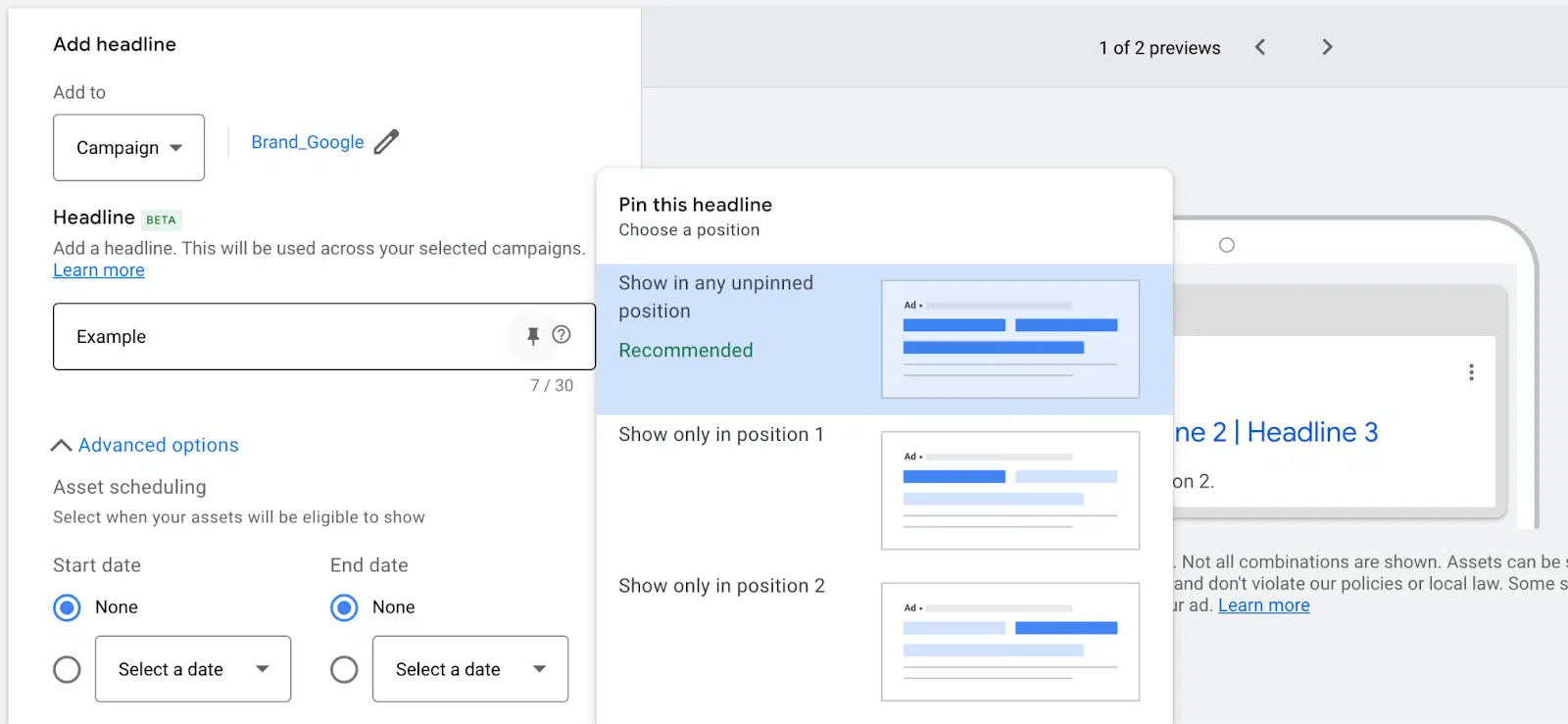 Above: Titles and descriptions can now be added at the campaign level
You can also pin these assets to certain positions and give them a start and end date, making them perfect for promotional periods or seasonal content.
Asset Performance and Combinations Report
Although unfortunately not as comprehensive as most advertisers would like it to be, performance reports are available for both individual assets and combinations.
To locate them, go to Campaigns > Ads > Show asset details (note that these instructions are based on the new interface design).
In the assets section, you can find information including:
How many impressions a resource has had during the set time. A performance column, which compares the performance of the asset against others of the same type within this ad group and rates it as Low, Good or Better.
If the score is Learning, it means you still need to get more impressions to rank, usually around the 2,000 impression mark.
This report can help you identify which resources need to be improved or replaced based on print performance.
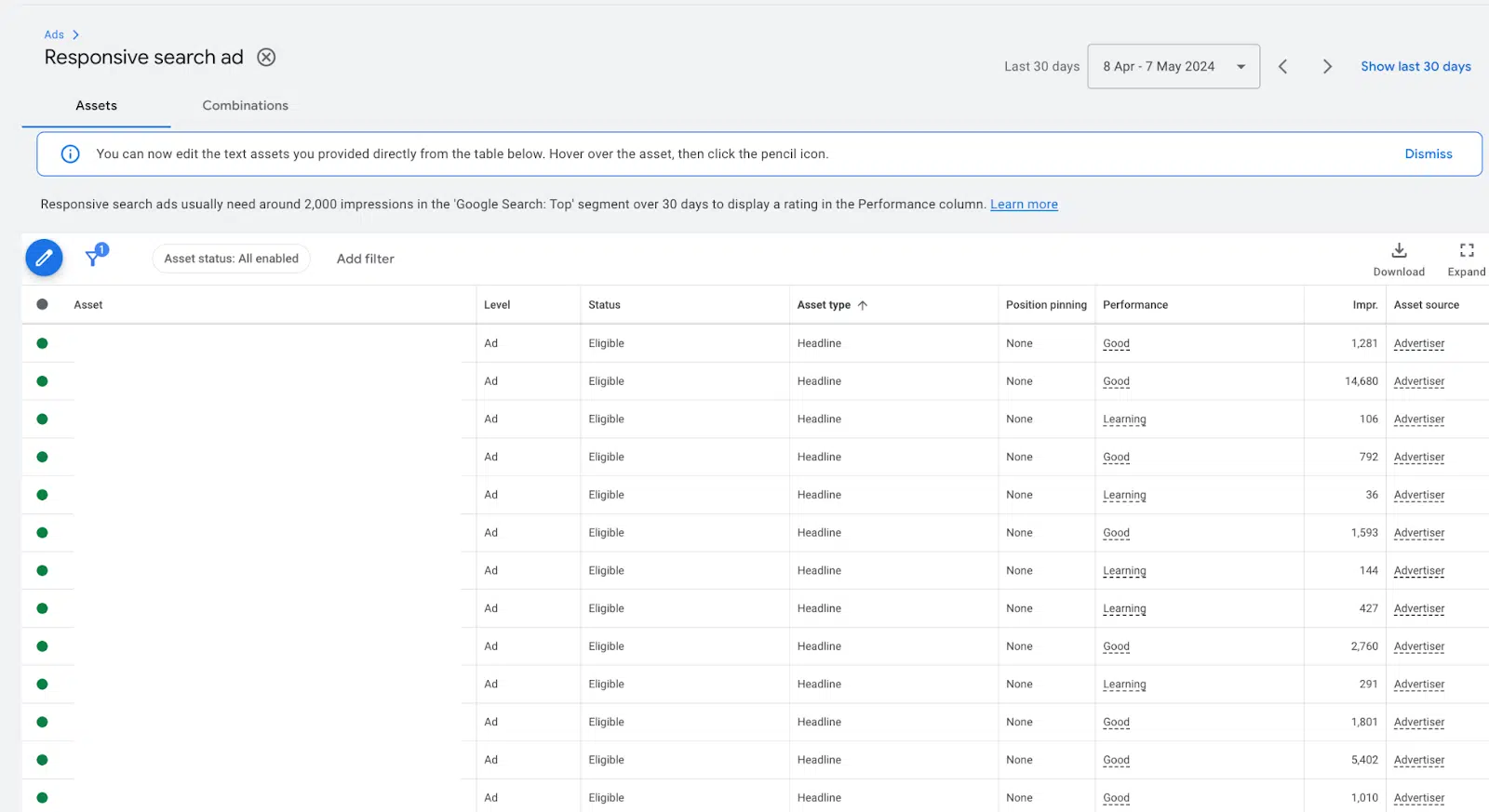
In the Combinations section, you can see what types of asset combinations have been created and how many impressions they have had.
This is a great opportunity to check your assets as it allows you to see how they might appear in searches and sometimes the results can be unexpected.
Google Ads RSA: The latest updates and best practices
While the foundation of Responsive Search Ads hasn’t changed since they launched, there’s been a lot of progress behind the scenes in terms of reporting and best practices.
As Google Ads continues to emphasize the importance of AI-powered search, it will be interesting to see what the next few years hold for search ads.
Dig Deeper: 7 Ways to Elevate Your Responsive Search Ads
The opinions expressed in this article are those of the guest author and not necessarily Search Engine Land. Staff authors are listed here.
[ad_2]
Source link





