


It’s rare to find companies that execute a cohesive strategy across all digital marketing channels. This lack of coordination is understandable, as even senior strategists often struggle to align their requests with other channels.
So, if you’re a PPC expert looking to link your campaigns to other marketing efforts, here are four ways to get started.
1. Ad copy and resources
Some companies are great at serving the same ad content across all of their paid marketing channels. They usually have a creative team or agency dedicated to creating their ads.
However, many companies do not have these resources. Instead, they hand out images and phrases full of buzzwords and expect their marketing staff to take them and run with them.
If that’s what you’ve been doing, stop and schedule some time with the paid social team to address the following:
If you can edit and write new copy, your platforms should be aligned with key phrases and approaches. Consider making a central repository of copy ideas, even if it’s just a shared spreadsheet that you can all edit. You don’t have to try to write it together (what a nightmare that can be), but you do need to make sure you’re using similar copy across all channels. Discuss and strategize how your teams will share audiences for prospecting and remarketing efforts. There’s nothing like seeing an ad on Google Search, only to find the same ad on Instagram and then have the same image follow you to an e-commerce site. You want your users to follow a reasonable path and see stage-appropriate ads based on their behavior across platforms. Share the results and how the results can affect each channel. For example, if you advertise on Google Display and don’t regularly check which images and assets are working on Facebook, you’re doing yourself a disservice. Yes, these platforms may have different audiences, but that doesn’t mean the same ads can’t (or won’t) work.
2. Organic and paid keywords overlap
PPC and SEO have a complicated relationship. Both are targeted at Google’s SERPs, but one pays per click and one doesn’t.
While it would be great if your company had a killer SEO team and an unlimited budget to target every keyword you wanted with a “Target Impression Share” bidding strategy, I’m guessing most companies are not in this position.
This means you need to be efficient and strategic with your ad spend, which means not doing double duty with keywords that organic can handle on their own.
You’ll need a keyword-level report from both channels to build a strategy that addresses keyword overlap. It includes average organic position and the best metric for judging PPC performance (either return on ad spend, cost per acquisition, or conversion rate).
You want to combine this data into a table (joined by keyword) or a dashboard like Looker Studio or Power BI that can show you at least:
Only keywords that appear in organic search and are targeted by PPC. The page showing the organic listing for those keywords. Organic clicks. Your ultimate PPC metric. PPC clicks.
You’re looking for keywords that rank well organically and don’t hit your PPC goal.
In the example below, we can see rows with excellent organic average position and a strong paid conversion rate, but are not achieving the main goal of PPC: conversion value/cost.
You can potentially pause these paid keywords and trust that the organic will take off.
Source: Data from real PPC customers
Like any test, you’ll want to pull the same report again later to make sure your organic keywords are picking up the clicks that PPC used to pay for.
Dig Deeper: SEO vs. PPC: Differences, Pros, Cons and an Integrated Approach
Get the daily search newsletter marketers trust.
3. PPC event marketing
If your company hosts an event, a tightly targeted PPC campaign can be a great way to generate additional interest and registrations, as DigiMarCon does here when I search for “marketing conferences”.

However, most companies do not have the resources to host their own event; they simply exhibit or rent space at conferences or industry events.
Even if you’re not hosting, this is an opportunity to capture high-intent keyword searches with strategic keyword selection and tight geo-targeting.
For example, if I had a booth at DigiMarCon Pacific Northwest for PPC consulting (full disclosure: I don’t!) I would make sure my April PPC strategy included a campaign targeting Seattle and focusing on keywords related to PPC, such as:
“In-person PPC Workshop” “Seattle PPC Conference” “Digimarcon Agenda”
People in the area who can attend or plan to attend the event are searching for these high intent keywords. I want to reach these people and have them see my business name at the top of the search results and back to the event.
4. Blog content for Demand Gen campaigns
If you’re not connected to what your blog or content team is publishing and you’re looking for ways to drive awareness and traffic, consider a bi-monthly or quarterly sync with whoever owns the editorial calendar.
Blog content is ideal for Demand Gen campaigns on Google Ads. While blog posts are often relegated to organic social channels, Demand Gen campaigns are a fairly low-cost, high-reach way to drive new users to your site with engaging content.
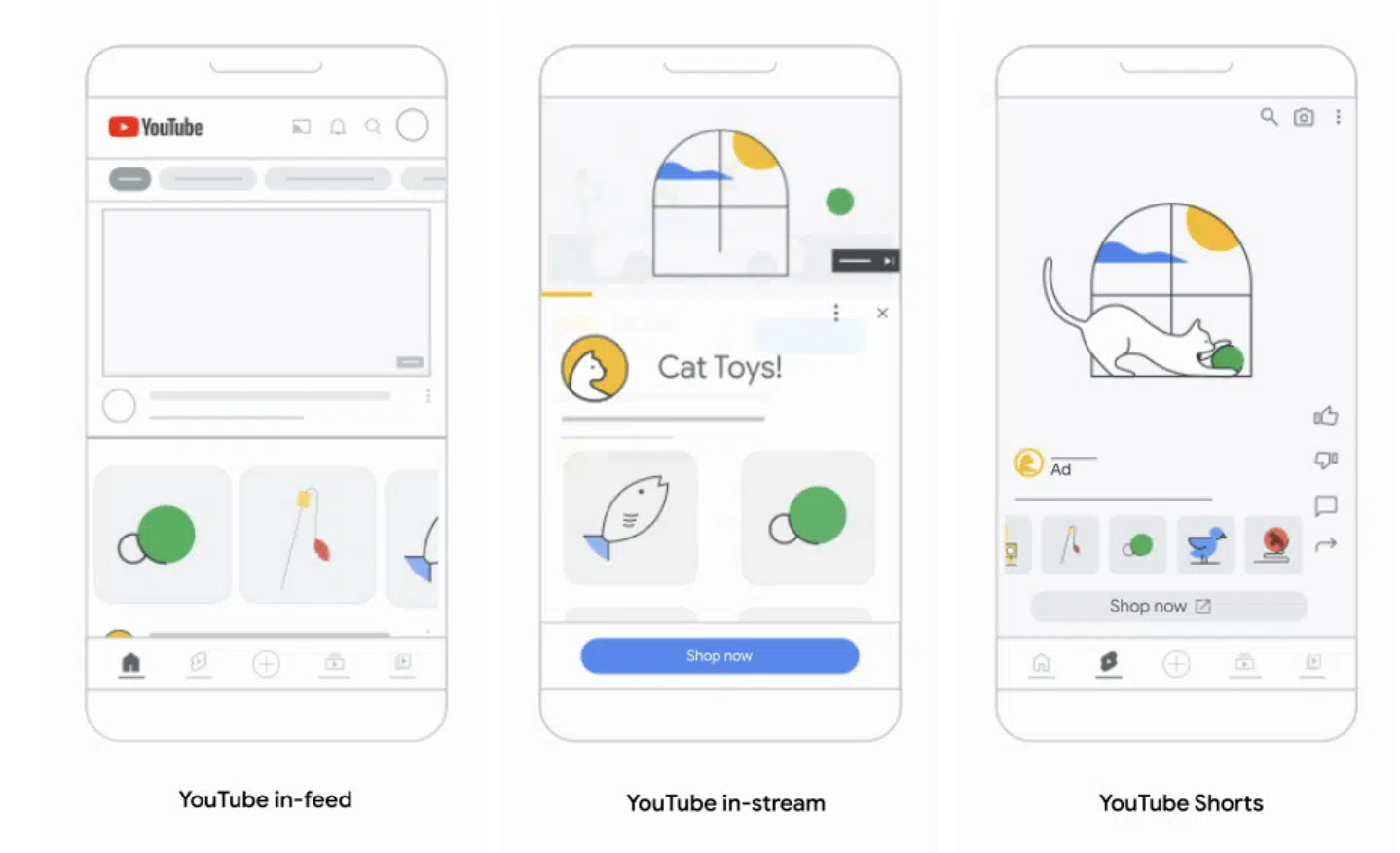
This type of campaign is affordable for almost any budget. It also includes non-video ads on YouTube.
YouTube, the second largest search engine after Google, is twice as likely than any other video service and social media platform for product and brand research.
Don’t have the resources to create compelling video content? Demand Gen campaigns can then be a way to advertise other types of content (like intriguing blog posts your content team is producing).
Breaking down PPC silos
Some, if not all, of these tactics may seem obvious to seasoned PPC experts.
In my experience, putting in the time is the biggest obstacle to incorporating PPC with other channels.
A multi-channel strategy means you have to collaborate with other people without having any idea about character limits or campaign types.
You need early and serious discussions about synchronizing efforts to make your approach cohesive.
And to eliminate silos, you need regularly scheduled meetings or stand-ups with other marketers, along with proactive inquiries about what they’re working on and how you, the PPC expert, can help support their success.
The views expressed in this article are those of the guest author and not necessarily Search Engine Land. Staff authors are listed here.
[ad_2]
Source link





