


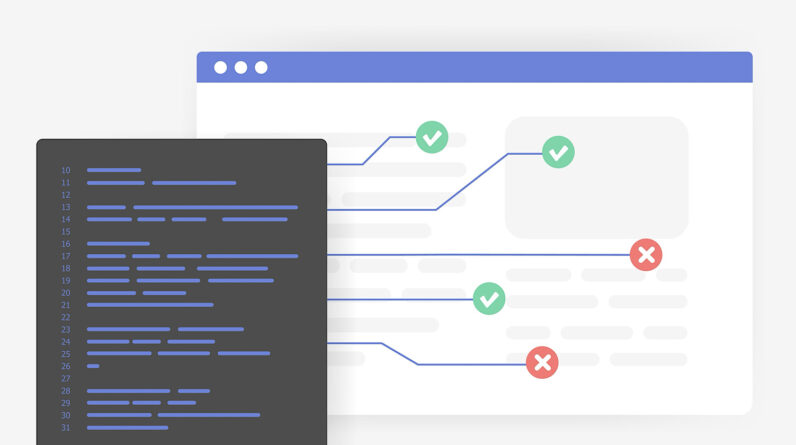
SEO professionals have long discussed the concept of “crawl budget,” which refers to the limited number of pages that search engines can crawl on a daily basis.
The assumption is that sites must stay within this allocated budget to index the pages. In a recent podcast, Google search engineers debunked some misconceptions about crawl budgeting and shed light on how Google prioritizes crawling.
How Googlebot prioritizes crawling
“I think there are a lot of myths about crawling, about what it is and what it isn’t. And things like crawl budgets and phrases that you hear that can be quite confusing for people,” said Dave Smart, SEO consultant and expert on Google products, during the podcast.
So how does Google decide what to crawl?
“You have to do it by looking at what is known, finding a place to start, a starting point. And from that, you get the links and stuff, and then you’re going to try to determine what’s important to go look for now, and maybe what can wait until later, and maybe what’s not important,” Smart explained.
Gary Illyes of Google’s search relations team agreed with this framework.
“If the search demand goes down, that also correlates with the crawl limit going down. So if you want to increase the amount of crawls, you have to somehow convince search that your stuff is worth searching,” he said.
The key, then, is to produce content that Google recognizes as valuable based on user interaction.
Focus on quality and user experience
“The programming is very dynamic. As soon as we get the signals from search indexing that the quality of the content has increased on so many URLs, we would only start increasing the demand,” Illyes said.
This means that there is no fixed “budget” that sites must adhere to. Improving the quality of the page and proving its usefulness to search engines can overcome any assumed limitations.
There is no one-size-fits-all approach
“We don’t have an answer for every site,” Illyes admitted about crawl prioritization. “If you improved this section, it will probably help you a lot.”
According to Google, the bottom line is to focus on producing high-quality content rather than trying to reverse engineer a non-existent crawl share. Earning links naturally and serving users better will take care of the rest.
Hear the full discussion in the podcast episode linked below:
FAQ
How does the concept of crawl budget affect SEO strategies?
SEO professionals have discussed the concept of a crawl budget, believing that staying within a certain limit of crawled pages per day is essential. However, Google’s search engineers have clarified that there is no set crawl budget that websites must adhere to.
Instead, Google prioritizes crawling based on content quality and user interaction signals. Therefore, SEO strategies should focus from managing a crawl budget to optimizing high-quality, user-centric content to increase the chances of being crawled and indexed effectively.
What factors influence Googlebot’s prioritization for crawling web pages?
A dynamic set of factors influence Googlebot’s prioritization for crawling web pages, primarily content quality and user engagement. According to Google search engineers, the more valuable your content appears based on user interactions, the more likely your site will be crawled.
Factors such as gaining organic links and improving user experience can improve content quality signals, implying that improving overall page quality can increase the crawl rate of a place
How can marketers improve the crawlability of their website content?
Marketers who want to improve their website crawling should focus on the following:
Produce high quality content that is informative, relevant and engaging for your target audience. Ensure the website provides a superior user experience with fast load times, mobile friendliness and ease of navigation. Get natural backlinks from reputable sources to increase your credibility and visibility in search engines. Update content regularly to reflect the latest information, trends and user needs.
Featured Image: BestForBest/Shutterstock
[ad_2]
Source link





