


The digital world thrives on content. But managing this content for multiple channels and platforms can be a monumental task.
Enter generative AI: an artificial intelligence technology so advanced and so human that it has changed the way we create, curate and distribute content.
AI technologies such as natural language processing (NLP), machine learning (ML) and computer vision are becoming integral components of modern content management systems (CMS).
These technologies allow companies to analyze large amounts of data, extract valuable information, and automate repetitive tasks with remarkable accuracy and speed.
Streamline content management workflows
In addition to content creation and customization, AI plays a crucial role in streamlining content management workflows and optimizing operational efficiency.
By automating repetitive tasks and providing intelligent insights, AI allows content teams to focus on strategic initiatives and creative efforts.
Content curation and labeling
Curating and manually tagging content can be a time- and labor-intensive process. AI algorithms can automatically analyze and categorize content based on its topic, sentiment and relevance, simplifying content curation.
AI-based CMS platforms can automate tedious tasks like image tagging, metadata creation, and content categorization. They can also analyze content performance, suggesting edits or optimizations for better reach and engagement.
By leveraging ML models trained on large data sets, content management systems are making it easier to organize and retrieve information when needed.
Translation and localization
Reaching a global audience often requires content translation. AI translation tools are becoming increasingly sophisticated, capable of translating content quickly and accurately, ensuring your message resonates across borders.
Improved SEO and content performance
SEO is essential to maximize the visibility and reach of digital content. AI-based tools can analyze keywords, trends and user intent to effectively optimize content for search engines.
By generating keyword suggestions, optimizing metadata, and tracking performance metrics, AI helps content creators improve the discoverability and ranking of their content on search engine results pages ( SERP).
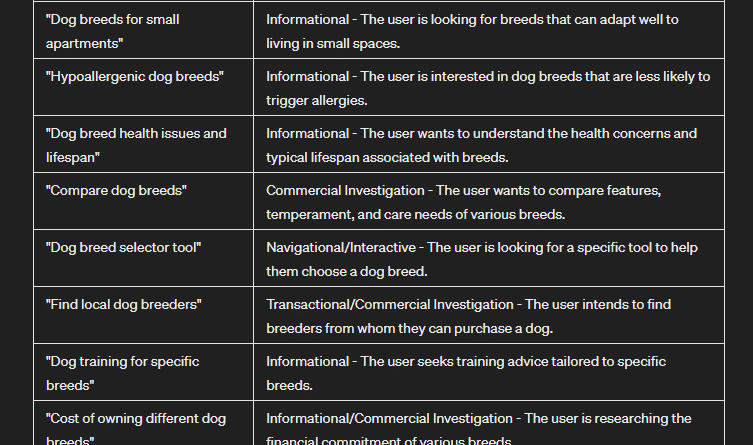
Here’s how I used ChatGPT to generate keywords with specific user intent:
AI algorithms can also analyze content performance data to identify trends, patterns and opportunities for optimization.
By analyzing engagement metrics, conversion rates and audience feedback, content management systems can refine their content strategies and continuously improve the effectiveness of their campaigns.
Deeper: Generative AI for Content Creation: To Use or Not to Use?
Distribution and publication of contents
Content distribution is another area where AI can have a significant impact. Content management systems can use AI algorithms to determine the optimal timing and frequency of content distribution based on audience behavior and platform analytics.
Whether it’s scheduling social media posts, sending email newsletters, or publishing blog articles, AI ensures that content is delivered to the right audience at the right time, maximizing its impact and reach.
Get the daily search newsletter marketers trust.
How to create efficient workflows with AI
Implementing AI effectively requires a well-defined workflow. Follow this five-step process to integrate AI into your content management workflow:
1. Identify where AI is needed
Start by conducting a content audit. Analyze your existing content creation process, including content types, production time, and team roles. Identify bottlenecks, repetitive tasks and areas where automation could be beneficial.
Involve your team and discuss their issues and challenges in the content creation process. Which tasks are tedious or time consuming? What information do they need readily available to be more efficient?
2. Choose the right tools
There are a wide variety of AI content management tools available, each with their own strengths and weaknesses.
Look for features like topic ideation, content creation, and content analysis. Before you commit, take advantage of the free trials and demos to test the tool’s functionality and user interface.
3. Built-in AI
Consider a phased approach to AI integration. Start by automating one or two specific tasks within your workflow.
This allows your team to become comfortable with the new technology. Provide the right training and support to your team on the new AI tools and make sure they understand how to use the application within the workflow.
4. Maintain human supervision
Remember that AI is a powerful assistant, not a replacement for human creativity and judgment.
Establish a clear process for reviewing and approving AI-written content and reserve human resources to develop your content strategy, define your brand voice, and make high-level decisions.
While it’s important to maintain human oversight every step of the way, it’s also not a good idea to micromanage AI.
5. Measure and refine
Monitor the impact of AI on your content creation process. Track metrics such as content production time, content quality, and audience engagement.
Use this data to refine your workflow and don’t be afraid to experiment with different AI tools and functionality.
The future of AI in content management
As AI technology continues to evolve, the possibilities for innovation in content management are virtually limitless.
Future advances in AI, such as advanced NLP models, predictive analytics and augmented content creation tools, will further enhance the capabilities of content management systems and redefine the way businesses create, manage and distribute content .
Creation and customization of advanced content
Future AI models will enable more sophisticated content creation capabilities, enabling businesses to generate highly personalized content tailored to individual preferences and context.
Advanced NLP algorithms will better understand the nuances of language and tone, allowing AI-generated content to resonate more deeply with audiences. Very soon, AI could create more complex content formats such as screenplays or even creative fiction.
Predictive analytics and content optimization
AI-powered predictive analytics will revolutionize content optimization by anticipating trends, identifying emerging topics, and predicting audience behavior.
Content management systems will leverage predictive models to proactively optimize content strategies, ensuring businesses stay ahead of the curve and deliver relevant and timely content to their audiences.
Augmented content creation tools
Augmented content creation tools will empower content creators with AI-powered assistance, enhancing their creativity and productivity.
These tools will provide intelligent suggestions, automate repetitive tasks, and provide real-time feedback to help content creators refine their ideas and produce high-quality content more efficiently.
Take advantage of AI in content management
AI is not a magic bullet, but it is a powerful tool with the potential to revolutionize content management.
From automating content creation and personalization to streamlining workflows and optimizing performance, AI-powered technologies deliver unparalleled efficiency, effectiveness and innovation.
By embracing AI and creating efficient workflows, you can create better content, reach your audience more effectively, and achieve your content marketing goals faster.
Dig Deeper: 7 Reasons Your AI Content Sucks (and How to Fix It)
The views expressed in this article are those of the guest author and not necessarily Search Engine Land. Staff authors are listed here.
[ad_2]
Source link





