


Generative AI tools like ChatGPT can create content, but it doesn’t always sound natural. Content can seem boring or robotic without proper guidance.
Fortunately, there are techniques you can use to make AI-written text more human, engaging, and fun to read.
This article will explore ways to get more real conversational content from AI. Specifically, we’ll look at how to customize the prompts you give ChatGPT so it better understands the tone, emotion, and audience you want to target.
Setting up ChatGPT
You need an easy-to-use interface through which to interact with the AI and also to refine your generated output.
Most people are more familiar with OpenAI’s ChatGPT than other AI interfaces. As such, I’ll focus on the guide for ChatGPT (although many of my tips will likely be useful for various AIs).
To get the most out of the tool, sign up for ChatGPT Plus, which costs just $20 per month.
This will give you access to OpenAI’s powerful GPT-4 model, which is significantly more powerful than GPT-3.5. Although slower than GPT-3.5, it is still fast enough for productive long-form content generation and refinement.
If we were generating tens of thousands of shorter snippets using the OpenAI API, GPT-3.5 might be the tool for the job due to its superior response speed. We are not doing that here, so I advise using the GPT-4 model.
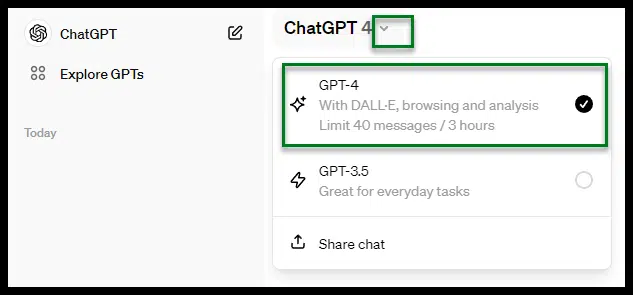
Once you have logged in to ChatGPT and upgraded to ChatGPT Plus, you can click here to change the model to GPT-4.
ChatGPT can help you decide how to create human content
You can start by asking ChatGPT directly for help in crafting your requests (chat messages) to result in a more humane outcome:
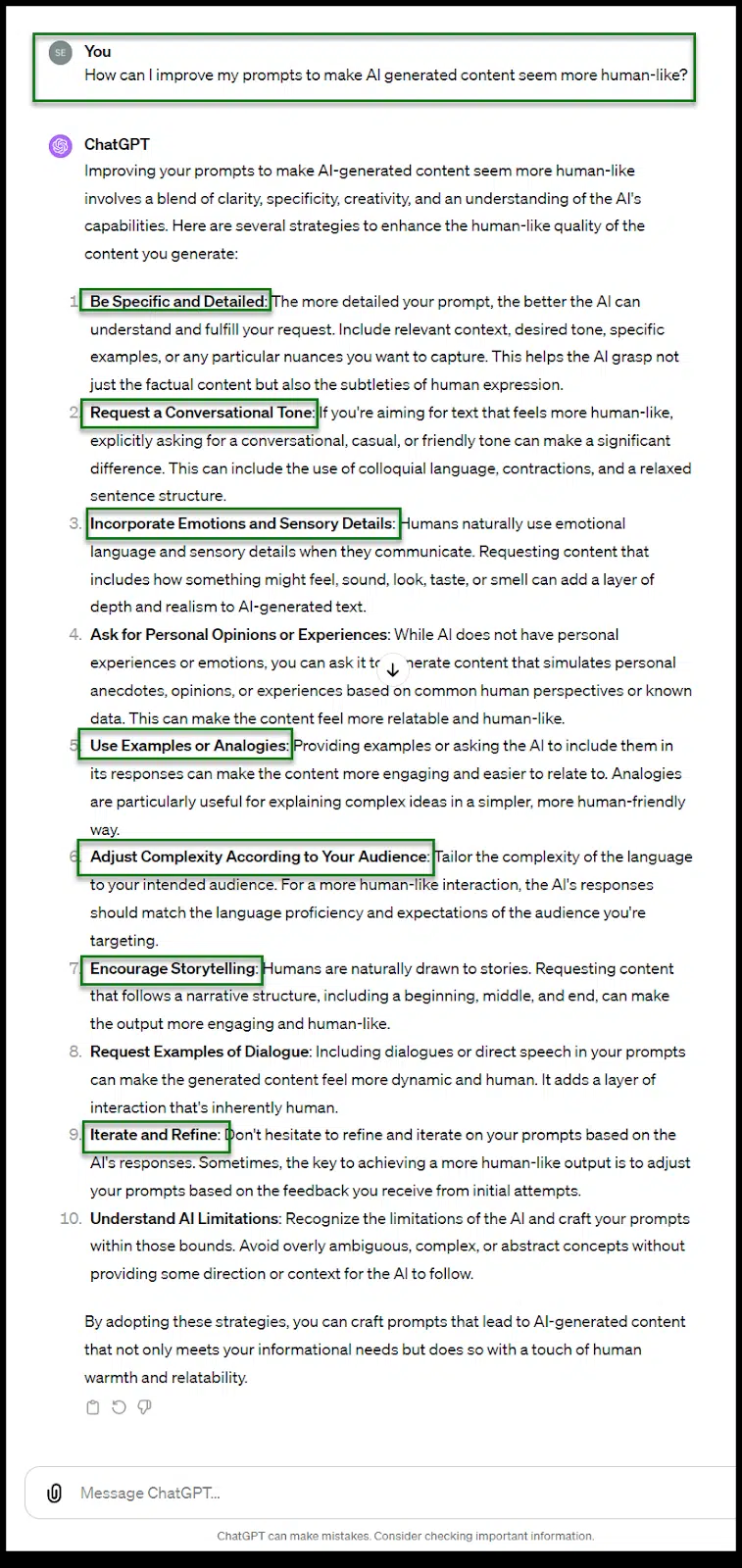
Several of these listed items can be very useful to us. Let’s explore this in more detail.
Deeper: ChatGPT and Content SEO: Where do we go from here?
Creating a sample blog post
You can start with a simple prompt like “Write a blog post about the benefits of solar energy over wind farms.”
ChatGPT will try to produce something, even without much direction:
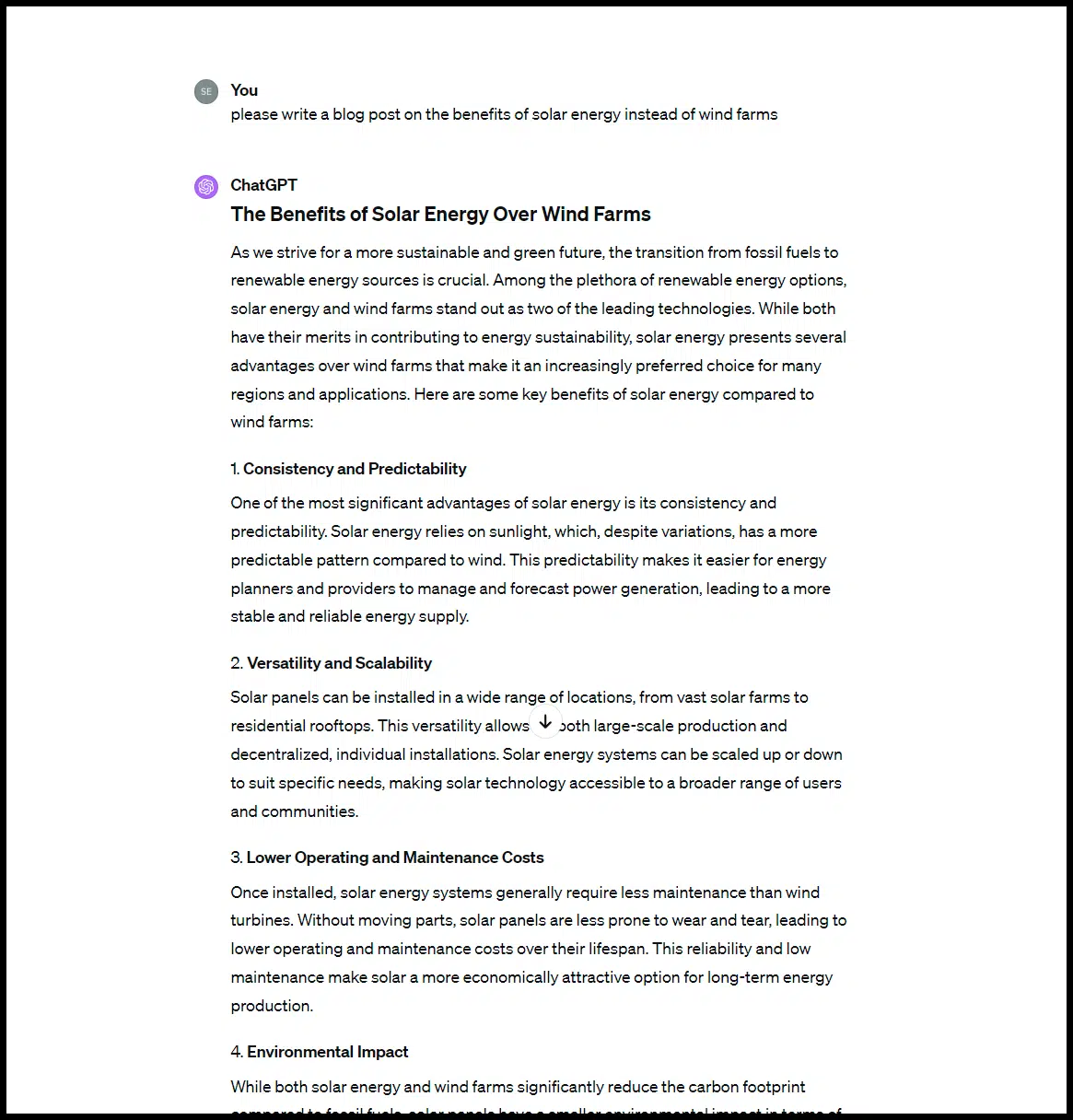
That’s fine, but it’s not too detailed and could sound “more” human. So far, we have defined:
a subject A type of content (eg blog post).
What else could we define? Here are some options:
We could upload ChatGPT with some specific details. For example, the author’s intention is to convince the authorities to build more solar farms (since wind farms are often noisy and visually intrusive to those who live near them). We could also claim that solar farms can be easier to maintain than wind farms, since they have no moving parts. We could ask for a conversational tone. For example, technical and informative, with a little creativity, so that it is not too dry or boring. We could request a post more likely to elicit certain emotions from human readers. For example, we would like readers to feel very positive about the benefits of solar energy compared to noisy wind farms. We could ask ChatGPT includes some examples and analogies, which will help the content sound more human. We can also ask for an overall narrative–narrative style. We could specify an audience type so that ChatGPT can adjust the reading level of the content more precisely. For example, this content can be read by the general public and those responsible for the renewable energy sector. As such, it should be simple to understand but also detailed enough to be truly compelling. We you could specify an approximate expected word count range. ChatGPT isn’t perfect at this, but it tends to land somewhere in the right ballpark. In this case, 1,000 to 1,200 words.
Adjusting and enriching your indication
Now that we’ve decided on some additional details to include in our message, it’s time to put them to use.
To do this, we need to fundamentally restructure our message, including all the necessary elements:
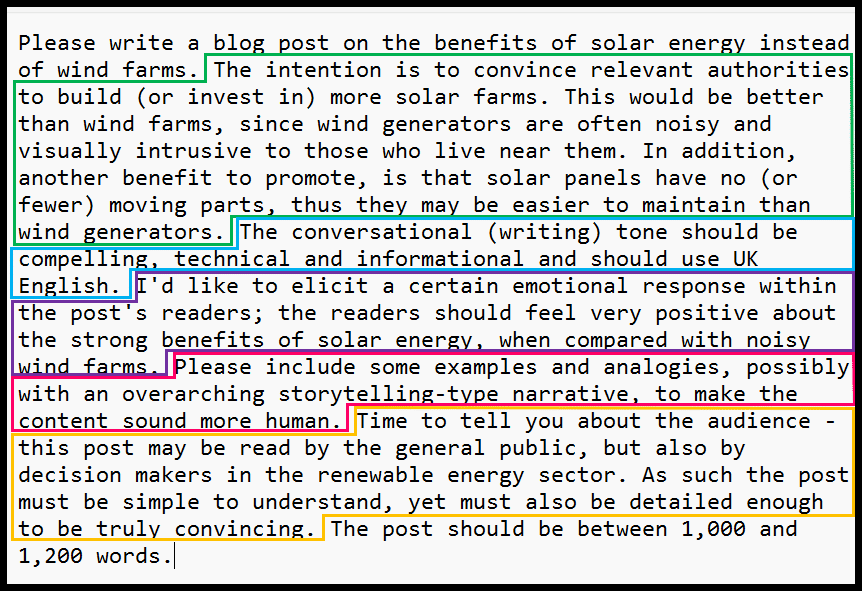
As you can see above, we accounted for all the details and elements we wanted to add to our message. There’s a lot more detail here than there was at first.
Your message has been extended from 15 to 197 words (over 1,000 characters). That’s roughly what you should aim for. Now it’s time to process our new message.
Dig deeper: Advanced AI engineering strategies for SEO
Results of an enriched human-centered indication
It’s immediately obvious that the AI responds in a more human and structured way, with trained headings:
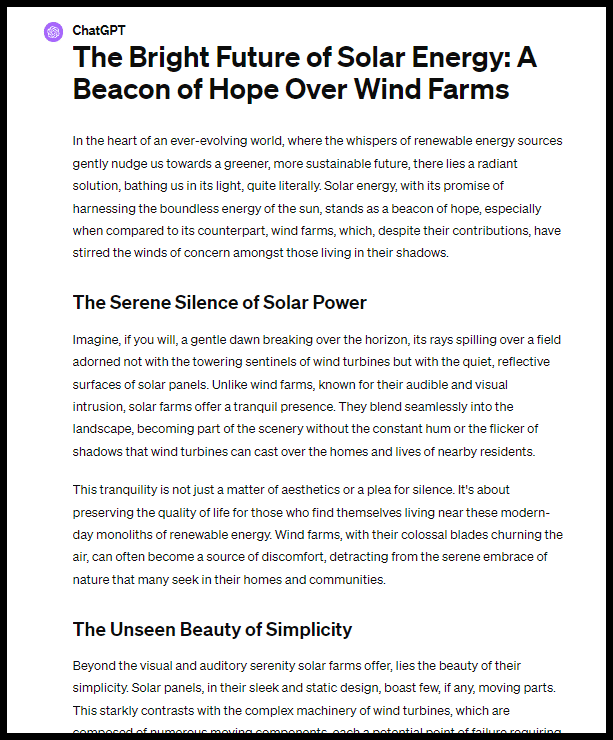
You can view the full 851-word blog post here. It’s not as long as we wanted, but it’s close to our goal.
Content iteration and refinement
Remember that you are interacting with the AI through a chat interface to iterate and refine the AI’s output. You can process tracking instructions such as:
This is really great, but not long enough. Can you expand on a few points to make the word count a little more? I really like this post, but I think the writing tone is too casual. Please make the content sound a bit more formal and factual. Please rewrite the post in the style of [famous editor or well-known columnist name]. Please add a summary of points at the top of the post.
As you can see, there are many ways to perfect your AI-generated content:
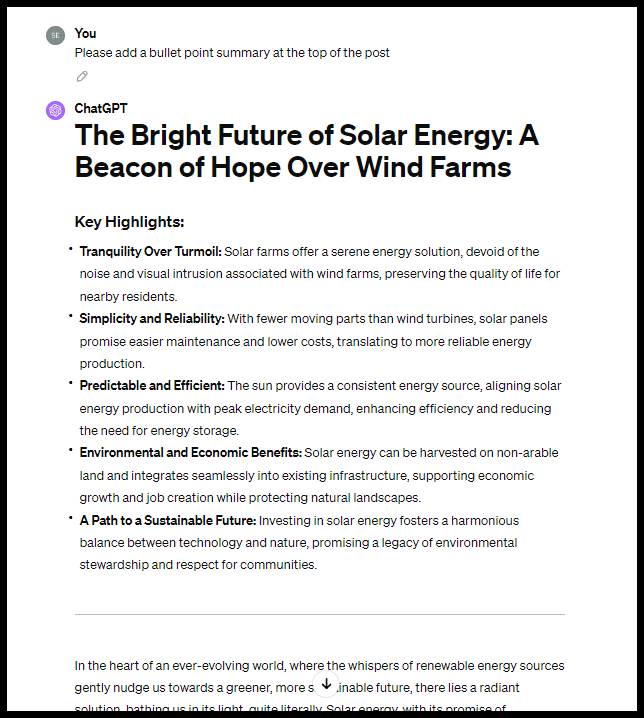
Once you’re done refining, your content is complete. You can enhance it with your human creative spice, fact-check the content produced and make sure the format matches your expectations.
Don’t forget the limitations of AI-generated content
AI-generated content is imperfect:
Often, you will need it verify the facts of the content produced or put a human editorial lens over it.
AI can start to “infer” information from one place to another (aka “hallucination”). For example, write an article about a new product and ask the AI to include a table of product specifications. Because the product is new, the AI pulls the specs from another similar product it knows about (resulting in incorrect factual content).
Avoid concepts that are too ambiguous, complex or abstract without providing any direction or context for the AI to follow.
Improved AI generated material
This article was written by a human. However, these conclusions (taken from my article) were not. Here is an AI-generated summary of findings (ChatGPT / GPT-4) for this post:
It adopts advanced AI models for content creation. Use powerful AI models like GPT-4 to generate long-form content, leveraging their capabilities to produce more detailed and human-like results.
Customize directions for people–central exit: Refine AI-generated content by providing detailed guidance including article purpose, desired tone, emotional impact, specific examples, and audience considerations to ensure content is engaging and appropriate for human readers.
Iterate and refine for perfection: Use the interactive nature of AI to refine and adjust content based on feedback, ensuring the tone, length and style meet your specific human engagement needs.
Be aware of AI limitations: Recognize the need for human oversight in fact-checking and editing AI-generated content to correct inaccuracies and add a personal touch, recognizing that AI can sometimes produce erroneous or generic results.
Use AI for different content needs: Leverage AI not only for web content, but also for internal knowledge bases, print materials, and other forms of communication, adjusting focus based on context and audience.
Optimize content for emotional and visual impact: Include elements in your prompts that encourage AI to create emotionally resonant and visually appealing content, making it more relatable and engaging for human readers.
It balances technical information with creative flair: Direct AI to combine technical information with conversational language and creative elements, making complex topics accessible and interesting to a wide audience.
Leverage AI for storytelling: Encourage the use of narratives, examples, and analogies in AI-generated content to make it more engaging and memorable for readers.
Adapt to audience and purpose: Tailor AI-generated content to specific audience and purpose, whether to persuade decision makers, educate the general public, or engage a niche community.
Remember, even if you don’t want to use AI to produce long-form content. You can use AI to great effect to summarize and condense human content.
The views expressed in this article are those of the guest author and not necessarily Search Engine Land. Staff authors are listed here.
[ad_2]
Source link





