


Artificial intelligence (AI) is reshaping social media marketing in major ways.
Where brands had to rely on assumptions about what content and messaging might resonate with audiences, AI now enables personalization, automation and data-driven experimentation.
The results speak for themselves through increased engagement, reduced costs and streamlined operations.
This article explores five key applications of AI in social media marketing and how brands, both large and small, are seeing tangible improvements from their adoption.
AI tools are revolutionizing social media marketing, allowing marketers to analyze data to gain insights into consumer behavior and preferences. Accelerate creative development, ensuring targeted messages optimally reach the right audience.
Take Coca-Cola, for example. By combining storytelling and AI, they were able to create this visually pleasing campaign to tap into consumers’ senses.
1. Content personalization: the heart of AI-powered social networks
AI algorithms can filter user data, including past interactions, likes, shares, and comments, so you can tailor content that resonates with your audience and improve user engagement.
For example, imagine an e-commerce company that uses AI to analyze user interactions. The AI system can identify patterns, such as a preference for yoga over high-intensity workouts.
With this knowledge, the brand can personalize its content, focusing on yoga-related products and tips, in order to strike a chord with its target audience.
A case study to demonstrate this was around a large ‘deal of the day’ e-commerce company based in the UK called Wowcher. They used artificial intelligence to create engaging and personalized ad copy.
Using an AI copywriting tool, the brand improved its Facebook ads. For example, if you often click on Facebook ads for holiday deals, AI will detect this pattern and match your interest, displaying its offers. The brand saw a 31% reduction in cost per lead, in addition to improved relevance scores.
2. Chatbots that improve the customer experience
AI and chatbots are dramatically improving customer service by offering 24/7 availability, instant responses, and the ability to handle high volumes of inquiries, significantly improving the customer experience.
They provide personalized interactions through data analysis, ensuring consistency and accuracy of information. These technologies are particularly suited to automating routine tasks, such as scheduling appointments and basic inquiries, and even providing the right product recommendations.
One example is makeup brand Sephora, which uses AI to improve the customer experience. After researching, the brand discovered that users were overwhelmed by their sheer number of products.
In response to the research findings, Sephora introduced an engaging questionnaire with chatbots to assist customers in their shopping journey. These chatbots provide personalized advice and recommendations based on individual responses.
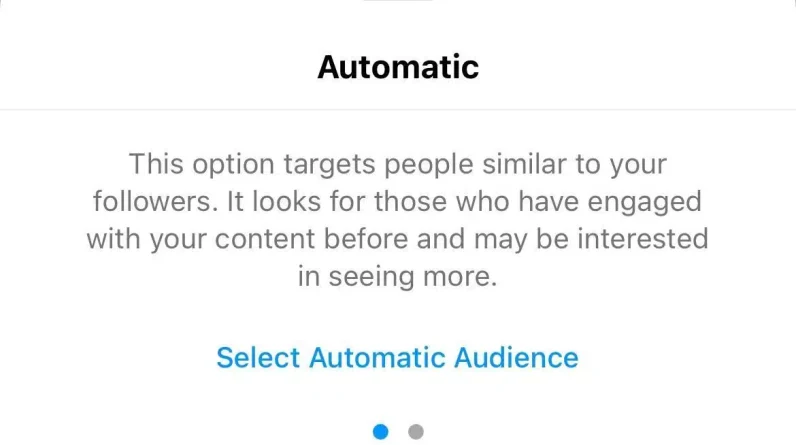
AI can segment audiences more precisely based on demographics, interests, behaviors and other psychographic factors. This allows for more precise ad targeting.
I recently spoke with the brand Care + Giving about how they are using AI to help with their marketing efforts.
They use Instagram for targeting and prefer to push content to those who have interacted/liked before. It is time saving and effective in reaching your niche audience.

Get the daily search newsletter marketers trust.
4. Data integration and management: A/B split testing + AI
AI streamlines the process of creating, implementing, optimizing and analyzing A/B tests, enabling organizations to achieve their goals faster and more efficiently.
Twilio Segment and Evolv AI collect and manage data from various sources, including social media platforms. AI can be used to analyze this data, identifying patterns and insights that can inform A/B testing strategy.
Experiences can be refined in real-time, targeting multiple audiences or segments across multiple platforms. Unlike traditional A/B testing, AI modifies ongoing experiments on the fly. Remove underperforming elements and seamlessly integrate new variants without restarting experiments.
For example, if a particularly effective combination increases orders but reduces the number of items per order, the AI can introduce a variant to animate more items in the cart without setting up a separate test.
Traditional A/B testing takes time, and involves several steps from conception to execution and analysis. AI streamlines this process by identifying effective strategies, suggesting optimal user experience actions, and quickly adding new variants to tests.
5. Development of visual content
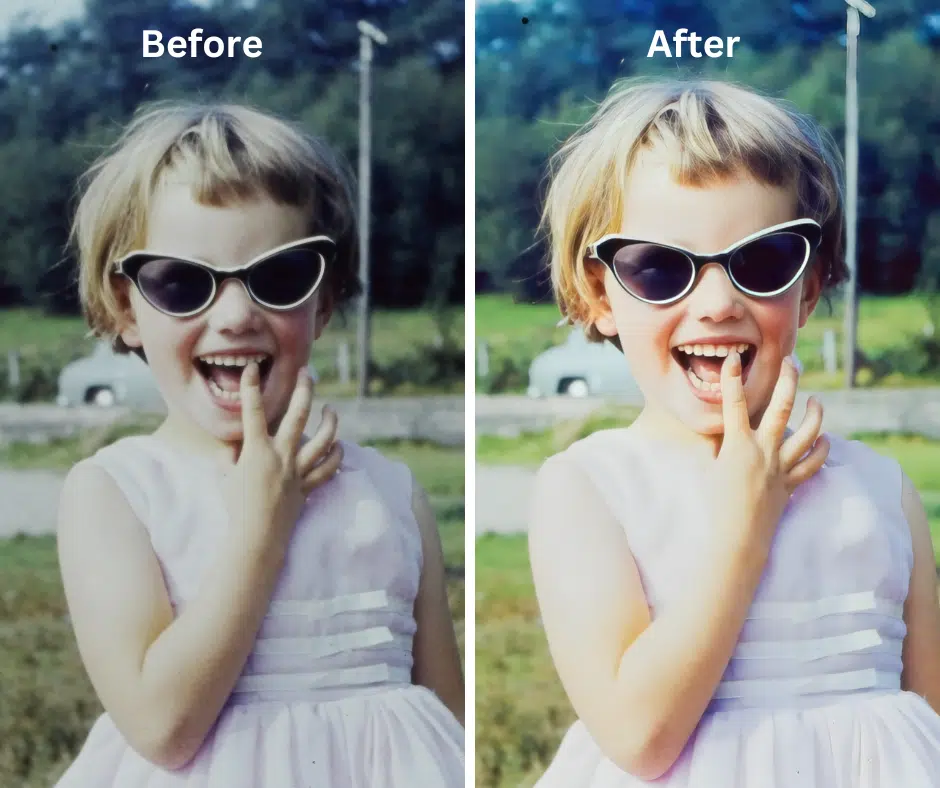
Recently, I was experimenting with AI for existing photographs. Using Remini, an AI photo enhancer, I was able to clean up old slides that my father had created in the 50s and 60s. Although this could easily be done in Adobe Lightroom, I don’t have access to that tool.
Generative AI tools like Midjourney, DALL-E, and Runway help marketers create custom visuals for targeted marketing campaigns.
AI can suggest image modifications or generate images that are tailored to the preferences, past behavior and demographics of specific customer segments by analyzing customer data and increasing engagement rates and conversion
They can also generate unique images and graphics based on textual descriptions. This allows you to quickly create custom images for campaigns, social media posts or advertising without extensive graphic design resources.
By understanding these real-world applications of AI, you can start ramping up your social media efforts.
The views expressed in this article are those of the guest author and not necessarily Search Engine Land. Staff authors are listed here.
[ad_2]
Source link





