


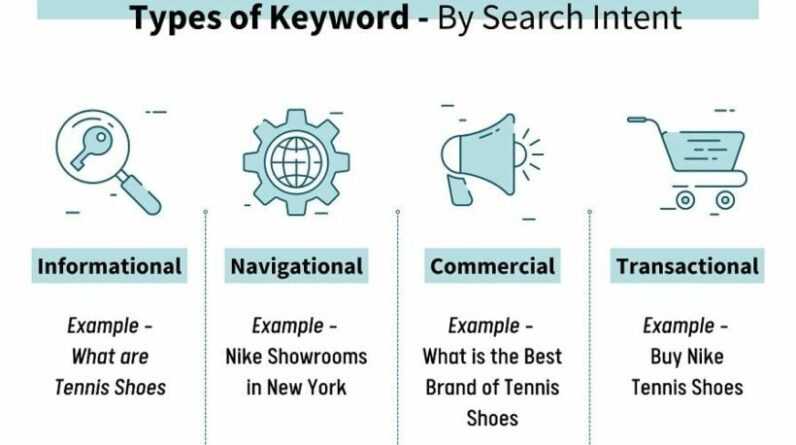
Diving into the world of SEO, it is clear that keywords are the backbone of any successful strategy. They are the magic words that connect your website to users’ search queries, guiding potential traffic to your digital door. Understanding the different types of keywords and their uses can significantly amplify your SEO efforts.
Whether your goal is to sell a product, educate your audience, or stand out from the competition, selecting the right keywords is crucial. From informational to transactional, each type serves a unique purpose in the vast landscape of Search Engine Optimization. We embark on a journey to unravel the mysteries of SEO keywords, setting the stage for a strategy that is as robust as it is effective.
What are keywords?
When you dive into the world of SEO, understanding the concept of keywords becomes crucial. Essentially, keywords act as bridges, connecting your website content to the queries your potential audience types into search engines. They are the basic tools that help your content gain visibility on the wide internet landscape, driving the right traffic directly to your site.
At their core, keywords are simple words or complex phrases that succinctly describe the content of your page or the services and products you offer. SEO keywords play a critical role in optimizing your website, ensuring that it appears in search results when your target audience searches for information, products or services related to your business.
What are the different types of keywords?
PHOTO: via Dash Clicks
Delving into the realm of SEO, you’ll find countless types of keywords, each with a unique purpose to improve your site’s visibility and searchability. Understanding these distinctions not only fine-tunes your SEO strategy, but also creates a bridge between your content and the audience searching for it.
1. Informative
When diving into SEO, understanding the role of informational keywords is crucial. These keywords indicate that you are looking for knowledge about a specific topic. Imagine you search for “tips for buying a used car” – this is a classic example of an informational keyword. You’ll often see these keywords enhanced with phrases like “how” and “what” that indicate a search for information.
Interestingly, informational keywords often appear as questions, starting with “what”, “why”, “how”, etc. In response to these searches, Google often displays featured snippets, offering quick and direct answers right at the top of the search results page.
Remember, incorporating a variety of informative keywords into your content strategy helps cover more ground, ensuring you’re serving a broad audience. Whether it’s through detailed blog posts, guides, or FAQs, providing high-quality, informative content not only boosts your SEO efforts, but also establishes your credibility in the field.
When you delve into SEO strategies, understanding navigation keywords it is fundamental. These keywords are essentially the compasses users use to navigate directly to your brand’s online presence. Imagine that a user already has an idea of what they want and where to get it, but they need to identify your website in the vast digital ocean. This is where navigation keywords play a crucial role.
Navigational keywords are primarily associated with searches for a specific brand or company. You will often find searchers using these terms in the consideration phase of their purchase journey. Your goal? Land directly on the web page of a brand they have in mind. Unlike informational keywords that seek broad knowledge, navigational queries are sharp and targeted. For example, if someone types “Central Oregon Roofing Companies” into a search engine, their intent leans more toward exploring options within a given location, but with a brand or solution already at the forefront.
3. Commercial
When diving into the diverse world of SEO, understanding Commercial keywords plays a fundamental role in the development of your strategy. Fueled by users’ desire to learn more about a product or service, these keywords revolve around research and comparison. Unlike the broad and exploratory nature of informational keywords, business keywords enter a realm where potential buyers consider their options.
Transactional phrases often accompany business intent keywords. Users using these terms are ready to buy, showing clear signals with searches like “buy” or “for sale.” The transition from simple interest to purchase intent is profound, marking a key moment in the customer journey. Your content should be optimized to take advantage of this transition, turning curiosity into conversion.
4. Transactional
When you dig deeper seo strategies, understanding transactional keywords becomes crucial. These keywords indicate a strong intent to take action, such as making a purchase or subscribing to a service. Unlike informational keywords that serve users looking for answers, transactional terms are for those who are ready to take action. This category includes powerful modifiers such as buy, order, purchase, discount, and coupon. Here are some examples:
Buy Vinyl Records Order Lab Tests Online Buy Kindle Books Discount Outdoor Toys Movie Ticket Coupons
Including transactional keywords in your content, especially on landing pages and product descriptions, can significantly increase your conversion rates. Typically, users searching with these terms have already researched and decided, making them more likely to convert.
3 types of keywords by length
When entering the world of SEO, understanding the diversity of keywords based on their length is crucial to crafting a strategy that fits your audience right where they are in their search journey. Keywords can generally be classified into short tail, medium tail and long tail. Each category plays a unique role in SEO, influencing both the volume and specifics of traffic directed to your website.
Short tail keywords
Short-tail keywords usually consist of one or three words. These keywords are broad and often carry high search volume, making them extremely competitive in the SEO landscape. If you’re new to SEO, it’s vital to recognize that while ranking high for short-tail keywords is rewarding for your traffic volume, achieving this feat is no small feat. For example, a term like “fitness equipment” falls into this category; it’s broad enough to attract a large audience, but competitive enough to make ranking a challenge.
Middle tail keywords
Mid-tail keywords, which are usually three to four words long, strike a balance between the breadth of short-tail keywords and the specificity of long-tail keywords. They still have significant search volume, but they bring a little more context and specificity to the table. Phrases such as “home fitness equipment” provide insight into the type of targeted traffic that mid-tail keywords can generate. These terms are a bit easier to rank for than their short-tail counterparts and can lead to more qualified traffic, a golden middle ground for many SEO strategists.
Long tail keywords
Getting more specific, long tail keywords are usually four or more words. They are very detailed and often indicate a user’s intent to engage or purchase. Despite their lower search volume compared to short- and medium-tail keywords, long-tail keywords have immense SEO value because they attract highly targeted traffic with clearer intent. For example, “affordable home fitness equipment for beginners” is a long-tail keyword that not only describes what the user is searching for, but also their intended use and price sensitivity. Incorporating long-tail keywords into your content can significantly improve your ability to connect with your target audience and generate meaningful engagement.
3 types of keywords per role
When diving into the multifaceted world of SEO, understanding the specific roles that different types of keywords play can significantly improve your strategy. Each category serves a different purpose to bridge the gap between user queries and your content. Here’s a clearer view of how these categories work.
Focus Keywords
At the heart of any SEO campaign is your focus keyword. This is the pivot around which you create your content, ensuring it resonates with both your target audience and search engines. It’s why you expect your page to be known, to appear prominently in the URL, title, body, and at least one heading. Selecting a strong focus keyword requires thorough research and a good understanding of the search habits of your target audience.
Secondary keywords
By expanding on your core idea, secondary keywords allow you to expand your reach and serve a wider segment of your audience. It’s the variations and adjacent themes that enrich your content, making it more visible. Incorporating secondary keywords naturally into your content ensures a richer, more versatile page that addresses a variety of related queries. For example, if your focus keyword is “home workouts,” secondary keywords might include “home exercise routines” or “home fitness tips.”
Semantic keywords
Semantic keywords deepen the context and relevance of your content. It’s not just about matching specific terms; they involve understanding the intent and varied search expressions of your audience. Semantic keyword integration means that your content not only matches exact match queries, but also resonates with the underlying topics and themes that interest your audience. This enriches the relevance of your content and increases its visibility across a wider spectrum of search queries.
Remember, SEO success isn’t just about selecting individual keywords, it’s about creating a cohesive strategy that leverages multiple types to really connect with your audience and meet their search needs effectively.

Choose the right SEO keyword for your SEO strategy
Crafting your SEO strategy starts with identifying your ideal keywords. These are not just any words; they are the bridge that connects you to your target audience when they are looking for what you have to offer. Understandably, the process can seem daunting, but it’s crucial to ensuring that your content not only attracts viewers, but the right kind of viewers.
Looking for a content marketing plan? Explore our article on content marketing strategy trends 2024.
Home/Guides/Digital Marketing/SEO Basics: The Different Types of KeywordsDigital Marketing Search Engine Optimization (SEO)
[ad_2]
Source link





