


Are you ready to discover the secrets of the dominant search engines?
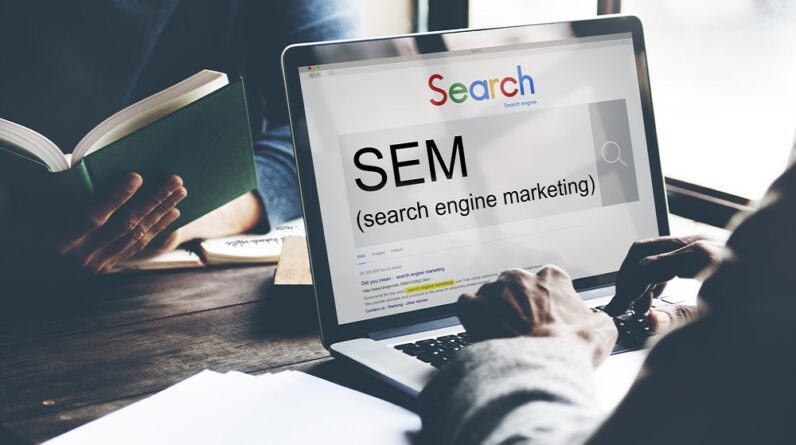
Have you ever wondered how some websites seem to magically appear at the top of search engine results while yours languish on page 10? The answer lies in a powerful digital marketing tool called Search Engine Marketing (SEM).
What is SEM?
Imagine a bustling marketplace where websites compete for attention. SEM is like renting a window of opportunity in this market, ensuring that your website is seen by the right people at the right time. It is an umbrella term that encompasses paid advertising strategies such as pay-per-click (PPC) advertising and search engine optimization (SEO) to increase your website’s visibility on search engine results pages ( SERP).
How to do SEM correctly:
1. Keyword research: Identify the relevant keywords that people are searching for related to your products or services. Think of them as golden keys that unlock leads. Use tools like Google Keyword Planner or SEMrush to discover keywords with high traffic and low competition.
2. Creation of the campaign: Choose the right platform for your PPC campaigns, such as Google Ads or Bing Ads. Define your budget, target audience and ad formats (text, display, video). Craft engaging ad copy that addresses the needs and search intent of your target audience.
3. Management of offers: Determine your maximum cost-per-click (CPC) for each keyword based on your budget and competition. Monitor campaign performance and adjust bids to optimize return on investment (ROI).
4. Landing page optimization: Make sure your landing pages are relevant to your ads and provide a seamless user experience. Optimize them for conversions by including clear calls to action and addressing user search intent.
Best Strategies for SEM Success:
• Focused on quality: Prioritize relevant, high-quality keywords over a broad, scattershot approach.
• A/B testing: Experiment with different ad copy, landing pages, and targeting options to see what resonates best with your audience.
• Stay mobile-friendly: Optimize your website and ads for mobile devices, as most searches are done on smartphones these days.
• Integration with SEO: Although SEM and SEO are different, they work best together. Use SEO best practices to boost your organic search rankings and complement your paid efforts.
When to use SEM:
• Launch new products or services: Generates immediate traffic and brand awareness for new offers.
• Generate targeted leads and sales: Reach users who are actively searching for your products or services, with high conversion intent.
• Compete in high demand markets: Gain visibility in competitive industries where organic rankings can take time.
• Promotion of time-sensitive offers: Leverage SEM for short-term campaigns such as flash sales or seasonal promotions.
Technical considerations:
• Conversion tracking: It’s critical to set up proper conversion tracking to measure the effectiveness of your campaigns and optimize them for actions like lead generation or purchases.
• Remarketing: Retarget website visitors who haven’t yet converted with personalized ads to remind them of your brand and potentially bring them back to your site.
• Negative keywords: Exclude irrelevant search terms to trigger your ads to avoid wasted spend and ensure your ads reach the right audience.
Advanced Strategies:
• Dynamic Search Ads (DSA): Automatically generate ad copy based on your website content, saving you time and potentially reaching niche audiences with relevant ads.
• Shopping ads: Promote your products directly on search engine results pages with visually appealing ads and product information, ideal for e-commerce businesses.
• Local SEO: If you have a brick-and-mortar store, optimize your SEM campaigns for local searches to attract customers to your area.
Getting the best results:
• Stay updated: The world of SEM is constantly evolving. Stay updated on the latest trends and algorithm changes to stay ahead of the curve.
• Seek professional help: Consider consulting experienced SEM agencies or experts if you need guidance with complex campaigns or large budgets.
• Monitoring and analysis: Regularly monitor your campaign performance and analyze the data to identify areas for improvement and optimize your strategies for maximum impact.
Remember, SEM is a powerful tool for generating targeted traffic, leads and sales. By understanding its fundamentals, employing effective strategies, and continuously optimizing your campaigns, you can attract the right customers to your website. So, get out there, explore the exciting world of SEM, and watch your website rise to the top!
Edited by – Aditya Krishnan
Disclaimer: The views expressed in this article are those of the author and do not necessarily reflect the views of ET Edge Insights, its management or its members.
[ad_2]
Source link





