


Today’s shoppers have thousands of options to choose from and hundreds of companies competing for their attention. Posting an ad and expecting consumers to go straight to buying is not a viable option. It is totally outdated.
A much more effective strategy is to redirect and nurture. The goal is to stay in front of your target audience until they are ready to make a purchase.
When used strategically, retargeting and nurturing increase brand search and direct traffic, ultimately driving conversions and business growth.
Let’s take a look at how it all works.
What is Google Retargeting?
Retargeting is a method Google Ads uses to bring users back to your website after they’ve taken a certain action, such as visiting your site from another channel (i.e. SEO) or interacting with an ad previously .
Retargeting display ads are the most common type. There are two main formats: uploaded display ads and Google’s responsive display ads.
Uploaded display ads are ads that you create in GIF, JPEG, or HTML5 format. Google’s responsive display ads are created in your Google Ads account.
Other retargeting ad format options include video, app, and search ads or targeting visitors who have taken a certain action on your website.
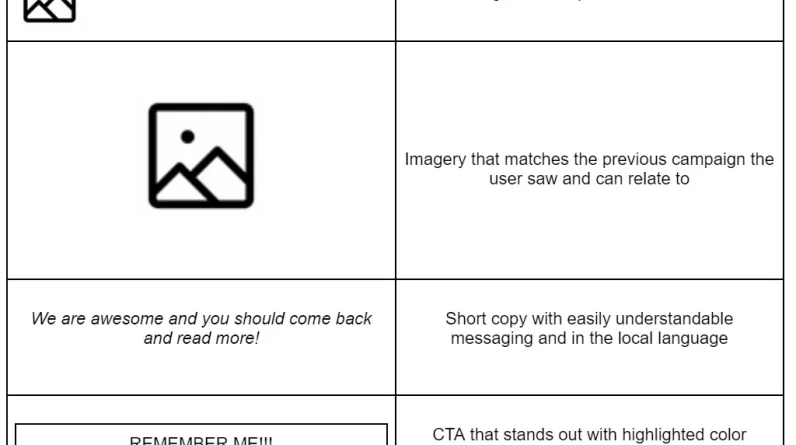
A popular variation of a display ad looks like this:
How does retargeting relate to the buyer’s journey?
Many people get hung up on the idea that retargeting ads (especially display ads) need to generate direct conversion (or even clicks) to be worth the investment. When they don’t, companies shut them down because they think they’re a waste of money.
But direct conversions aren’t the goal of retargeting ads. Rather, they maintain awareness of a specific product or service after a user has shown interest in it. Retargeting ads nurture those who have committed to conversion.
They keep your brand top-of-mind or incentivize a purchase with an offer such as a discount (e-commerce) or an extended free trial (B2B). Then, in the future, when the user is ready to make a purchase, they are more likely to come directly to your website instead of clicking on another retargeting ad.
Remarketing is essential to your PPC campaigns because:
Return users who have abandoned their carts to complete purchases (which can be up to 98% depending on the industry). It increases brand searches, which mainly affects conversions. Incentivize customers to make a final purchase decision because of a discount or special offer. Drive awareness and consideration among new audiences, expanding the ROI potential of your campaigns. Foster brand loyalty by engaging with past customers to generate new purchases and upsells.
So while retargeting ads require an investment in your PPC campaign spend, the ROI can be huge.
Get the daily search newsletter marketers trust.
5 methods to combine Google Ads with other channels to retarget, nurture and convert
While retargeting ads are great, they’re only one piece of the puzzle.
To create a more comprehensive strategy, you can use Google Ads in several different ways in conjunction with retargeting ads to drive conversions and brand visibility. Here are some methods I would recommend trying.
1. Google Ads with email marketing retargeting
Create targeted email campaigns that match Google Ads retargeting. Send follow-up emails to users who have opted in to receive email marketing updates, as well as those who have interacted with your ads or website but not converted.
example
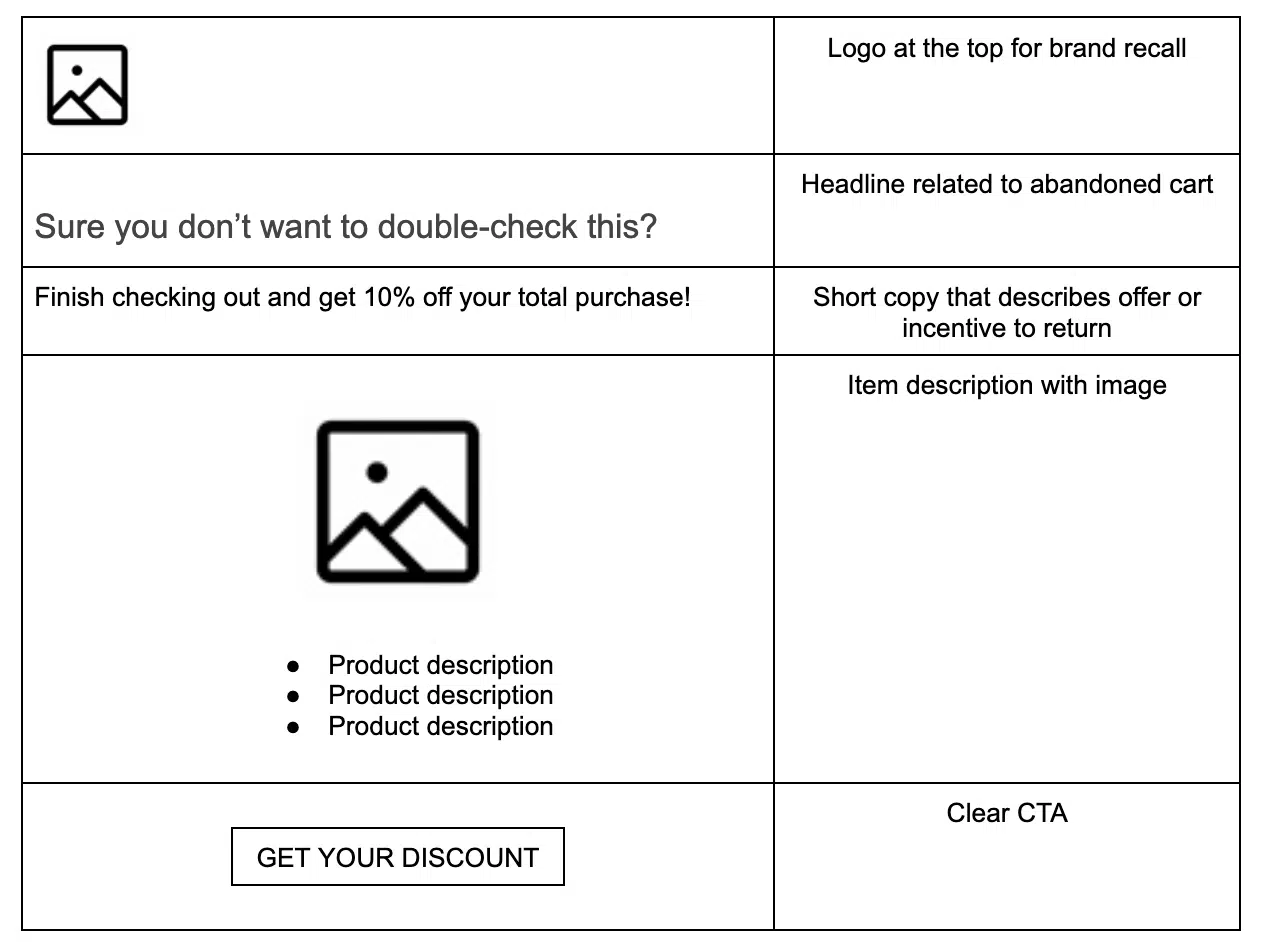
A user visits your e-commerce site and looks at a specific product. You can retarget them with a Google ad showing the same product while sending an email with a discount on that product, reminding them of their interest. This method is especially effective in generating purchases from past customers.
This redirect email might look like this:
2. Organic traffic with Google Ads retargeting
Combine your content marketing efforts with Google Ads. You can do this by retargeting users who interact with specific pieces of organic search content, such as blog posts or videos, with relevant ads on third-party websites that the user sees.
example
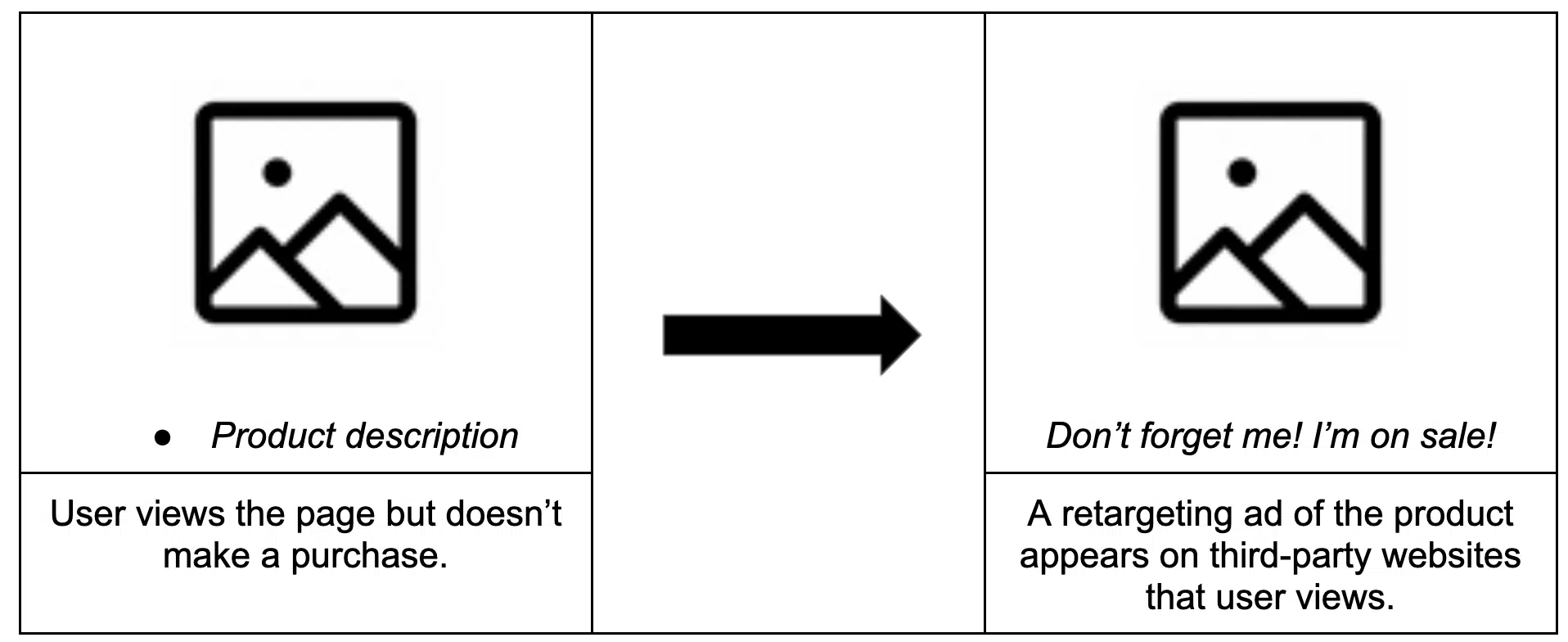
Let’s say a user reads a blog post about “best camping gear” on your website but doesn’t buy anything. You can then retarget them with a retargeting Google ad for a camping gear sale, prompting them to make a purchase.
Your retargeting ad will likely look like this:
3. Google Ads for multi-device and multi-platform retargeting
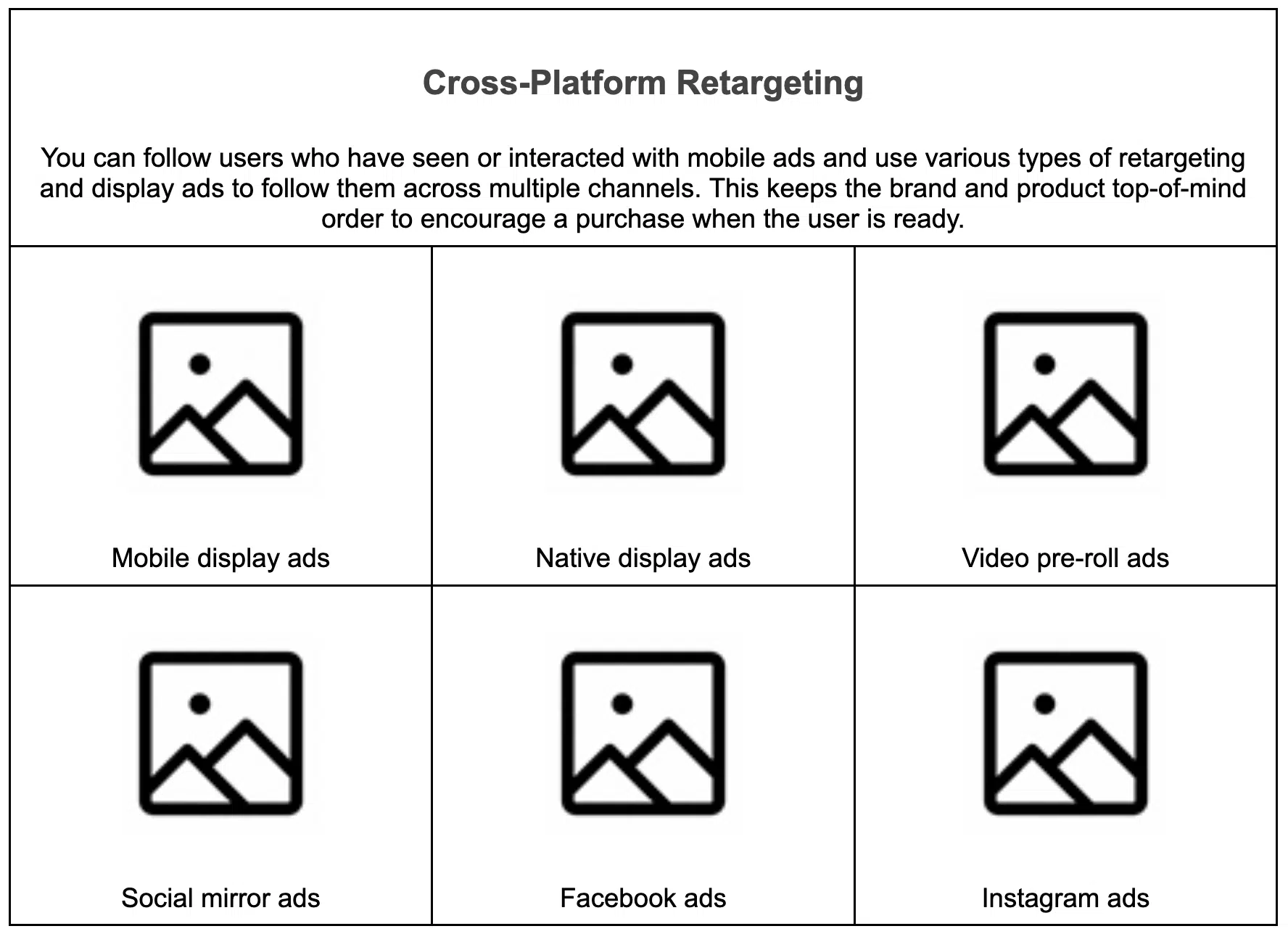
Implement cross-device, cross-platform retargeting by tracking user behavior across devices and channels to create a cohesive user experience.
example
A user browses your travel website on their mobile device during their lunch break, so you implement retargeting ads so they later see a Google ad on their laptop while browsing other websites.
Maybe this ad offers a special discount for the destination they were researching, which ties the two experiences together and drives more conversions.
These ad types span many channels in a wide variety of formats, including:
4. Offline marketing in Google Ads retargeting
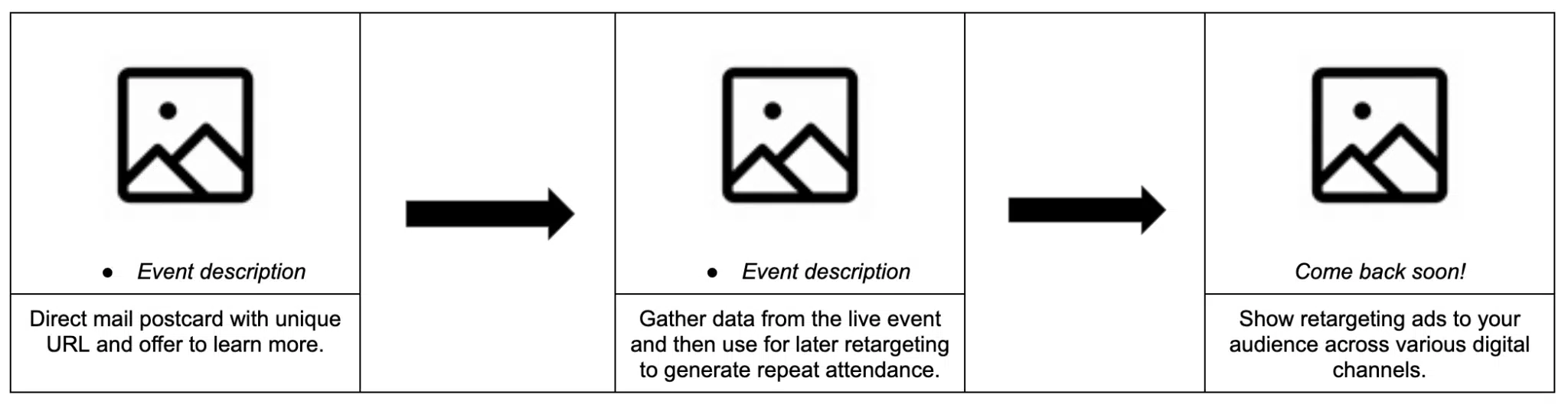
Combine traditional offline marketing with online retargeting such as direct mail. You can create and use custom landing pages in Google Ads for users who receive direct mail messages, which create a sense of personalization.
example
Send a direct mail postcard announcing the opening of your new restaurant. Include a unique URL or QR code that will redirect them to a Google Ads landing page.
The landing page may offer an exclusive “first taste” discount. This online component captures user data and helps convert recipients who interact with the postcard.
Here’s a quick visual overview of the process:
5. Google Ads with retargeting on social networks
Use platforms like Facebook or Instagram to retarget users based on their interactions with your Google ads to ensure a consistent message and multiple touchpoints.
example
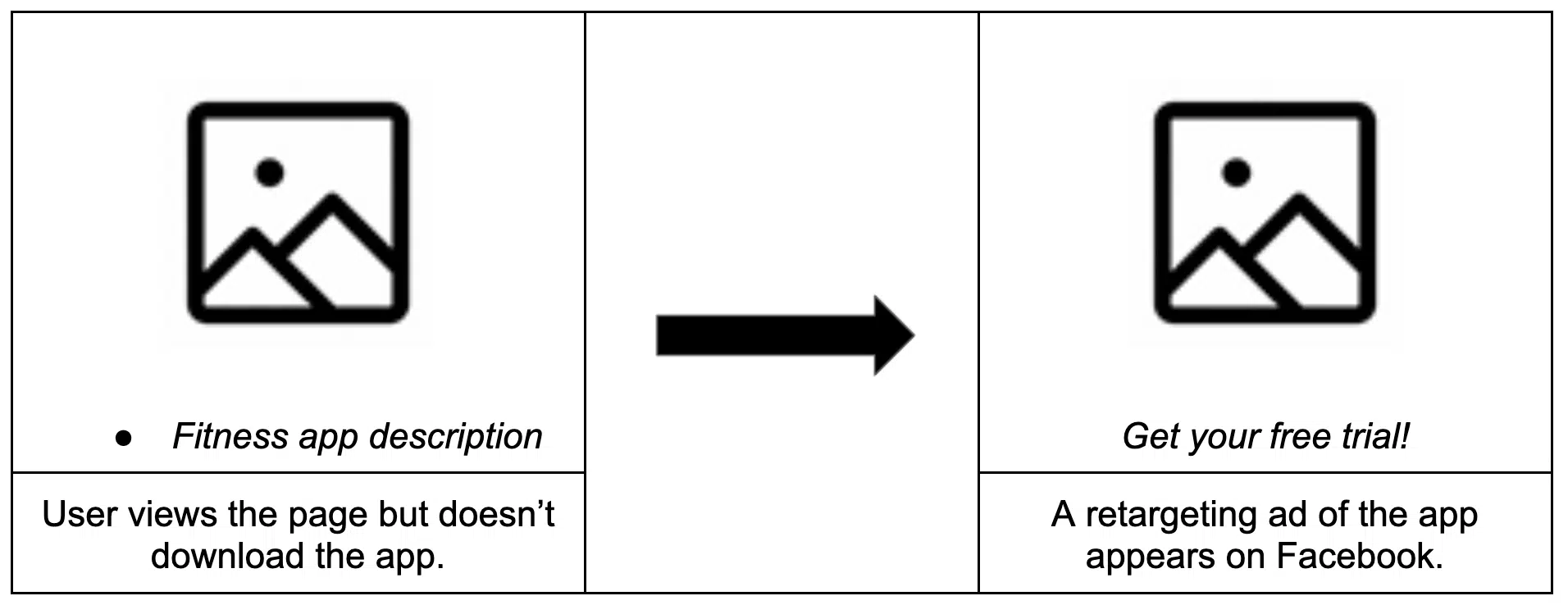
A user clicks on your Google ad for a fitness app, but doesn’t sign up. You can retarget them with a similar ad on Facebook, highlighting the benefits of the app and offering a free trial.
This type of retargeting ad might look like this:
Help guide customer actions to drive conversions
With retargeting, you can effectively nurture and convert users by leveraging Google Ads with multiple marketing channels.
The key is to maintain a consistent and consistent message across all touchpoints, ensuring users receive the right message at the right time to encourage conversion. Whether they’ve abandoned their cart or still end up on your website, retargeting ads help you drive conversions and increase your PPC ROI.
The views expressed in this article are those of the guest author and not necessarily Search Engine Land. Staff authors are listed here.
[ad_2]
Source link





